A child’s baptism is one of the most important Christian sacraments. If you’re planning a baptism and are curious about the baptismal ceremony, the required documents, or the significance of the baptismal gown and candle, you’ll find the basic information in this article.
A Baby’s Baptism – Everything You Need to Know
The sacrament of baptism is a Christian rite through which a person is incorporated into the Christian community and receives God’s grace. It symbolizes purification from sin and a new beginning in the life of faith. Baptism is the fundamental sacrament of Christian life and a prerequisite for receiving most other sacraments.
In Slovakia, children are most often baptized in the first weeks of life, usually between the 2nd and 4th week, but baptism can also take place later.
History of baptism
The word “baptism” comes from the Greek word βάπτισμα (báptisma), which means “immersion.” Baptism is associated with the ministry of John the Baptist, who used immersion in water as a symbol of purification and conversion.
In the early centuries of Christianity, baptism was intended primarily for adult believers. Gradually, however, the practice of infant baptism became widespread, and it is now common in many Christian churches.
Preparation for baptism
Before the baptism itself, there are a few basic requirements that need to be taken care of:
- Choose godparents.
- Register the baptism at the parish office.
- Complete the baptismal catechesis, during which parents and godparents will learn about the meaning and procedure of baptism.
- Arrange a date for the baptism with the priest.
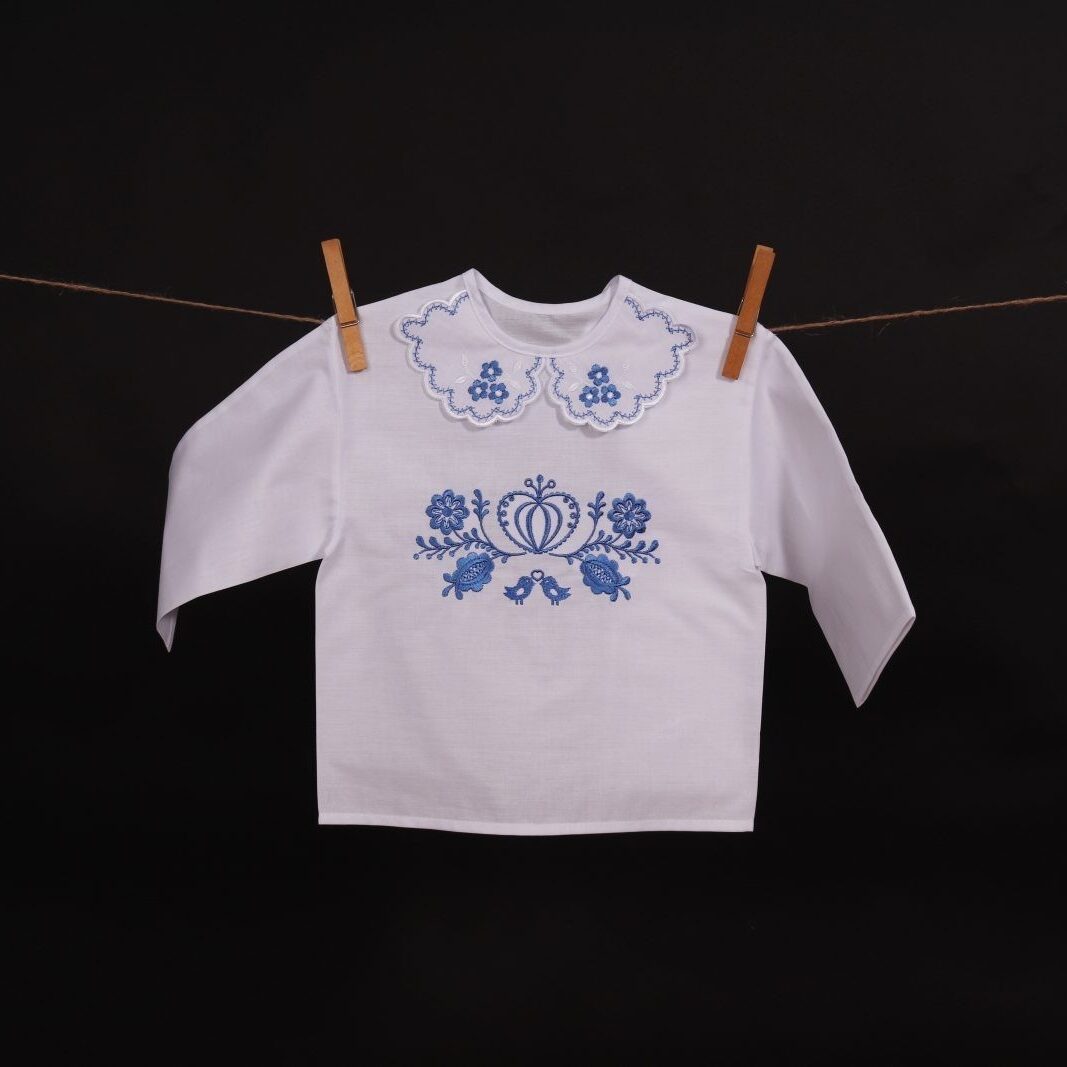
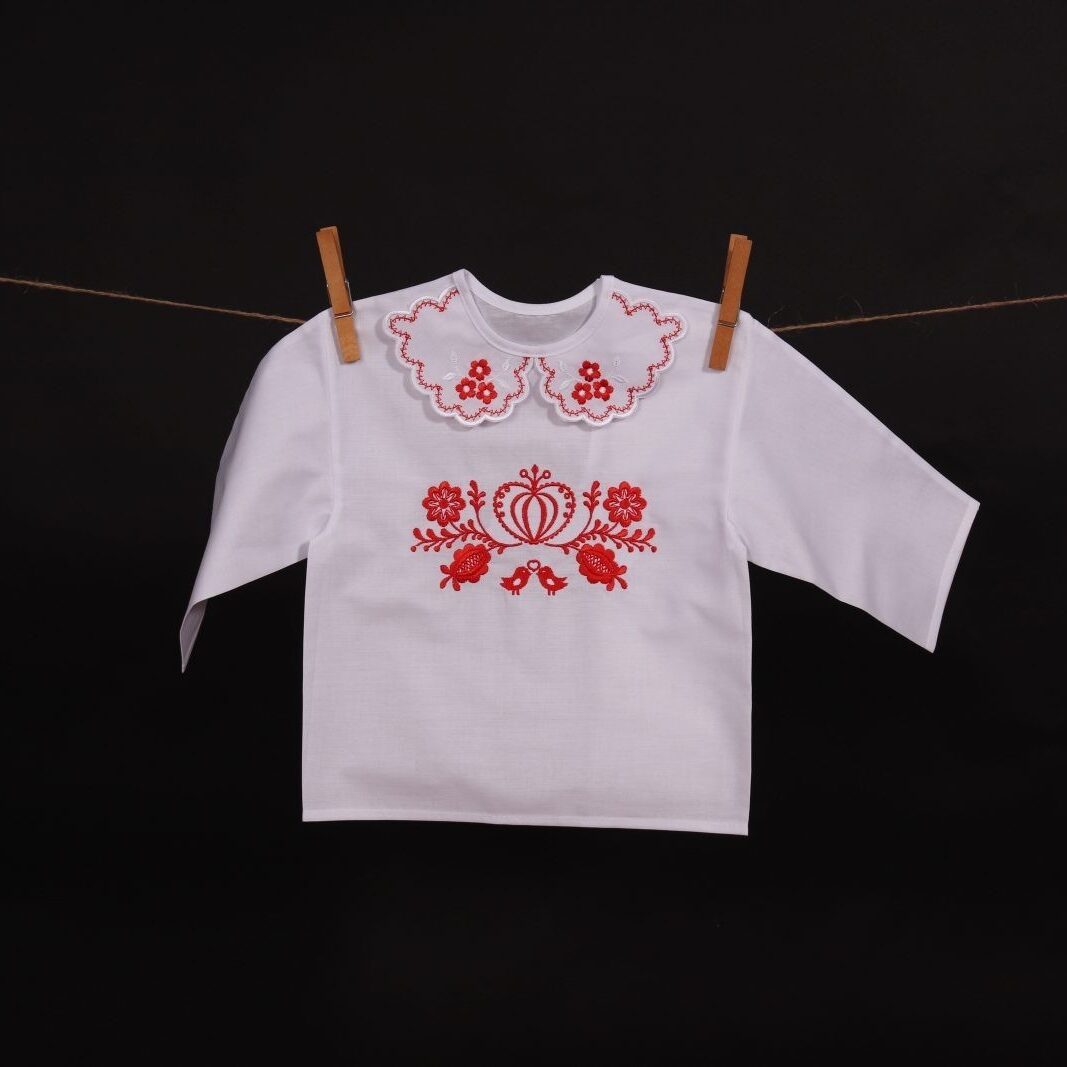
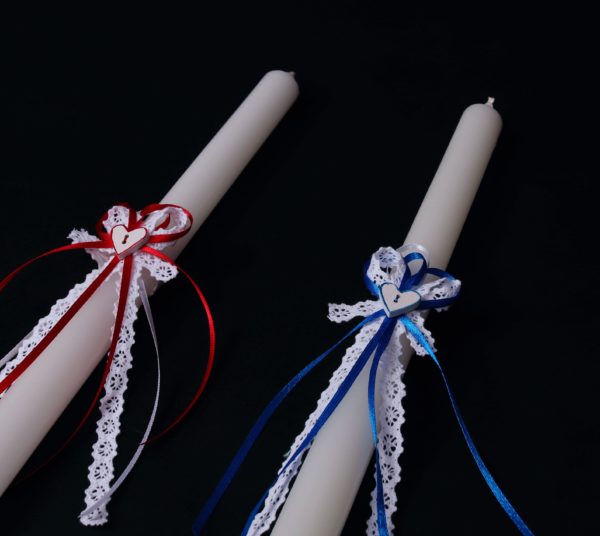
- Purchase a baptismal candle and a white baptismal gown (baptismal shirt), which is often decorated with the child’s name and the date of the baptism.
- Please bring the necessary documents to the parish office, specifically the child’s birth certificate and the parents’ ID cards.
The course of baptisms
The baptismal ceremony itself follows the established liturgical order:
- The priest welcomes the parents, godparents, and the child.
- The child is sprinkled with holy water or doused with water as a sign of baptism.
- He recites the baptismal formula: “I baptize you in the name of the Father, and of the Son, and of the Holy Spirit.”
- The child is anointed with holy chrism, which symbolizes consecration and protection.
- The child is given a white baptismal gown as a symbol of purity and new life in Christ.
- A candle is lit from the baptismal candle; it symbolizes the light of Christ and guidance on the path of faith.
Symbols of Baptism
Christening Gown
A white baptismal gown symbolizes purity, innocence, and a new life in faith. It is often kept as a memento of the day of baptism.
Baptismal Candle
The baptismal candle represents the light of Christ. It is lit during the ceremony as a symbol of the faith that is to guide the baptized person throughout their life.
Godparents
The role of godparents is to support the child in the Christian faith and to be a source of spiritual support throughout the child’s life.
Conclusion
For many families, baptism is a significant spiritual and family event. In addition to the ceremony itself, traditional symbols—such as the baptismal gown, the baptismal candle, and the presence of godparents—also play an important role. These items and memories serve as a beautiful memento of one of the first significant moments in a child’s life.