
Which is better: embroidery or screen printing?
There is no one-size-fits-all solution. Each technology has its own specific advantages, and the ideal choice depends on the type of clothing, the nature of the graphics, the budget, and how the garment will be used.
When should you choose embroidery?
Embroidery is one of the most durable and prestigious methods of marking textiles. The logo is embroidered directly into the fabric using threads, creating a luxurious three-dimensional effect. Embroidery is exceptionally resistant to washing (it does not fade), abrasion, and everyday use.
Advantages of embroidery:
✅ An elegant and professional look
✅ Exceptional durability – the embroidery often lasts longer than the fabric itself
✅ High resistance to washing, UV rays, and everyday wear and tear
✅ Thread colors remain vibrant and do not bleed
✅ Suitable for workwear, corporate apparel, sportswear, and casual wear
✅ Ideal for all types of textiles—T-shirts, polo shirts, sweatshirts, hats, caps, jackets, softshell, fleece, towels, bathrobes, overalls, and more.
✅ Choose from a variety of techniques: embroidery, appliqué, 3D puff embroidery, appliqué, or cross-stitch (folk patterns)
✅ Wide selection of threads: viscose, polyester, metallic, neon, reflective, variegated, flame-retardant, and glow-in-the-dark
✅ More than 400 thread colors and the option to combine up to 15 colors in a single design
Disadvantages of embroidery:
❌ Higher price for large designs (the price depends on the number of stitches and the number of pieces)
❌ Not suitable for color gradients and shading (gradients and shading can only be embroidered in certain cases)
❌ Not ideal for very thin knitted fabrics (thin fabrics may begin to fray around the embroidery over time, but this can be prevented by hand washing)
❌ Very small details may be lost (minimum stitch width 0.4 mm)
Machine Embroidery Technologies
Traditional Embroidery
We embroider logos, lettering, or decorative motifs directly onto the fabric using thread. The embroidery creates an elegant look and is ideal for clothing designed to represent your company, team, or brand.
We tailor our technique to the material and the details of the design. When embroidering, we use a suitable backing that reinforces the embroidered area and helps it retain its shape.
Recommended uses:
T-shirts · polo shirts · sweatshirts · jackets · hats · towels
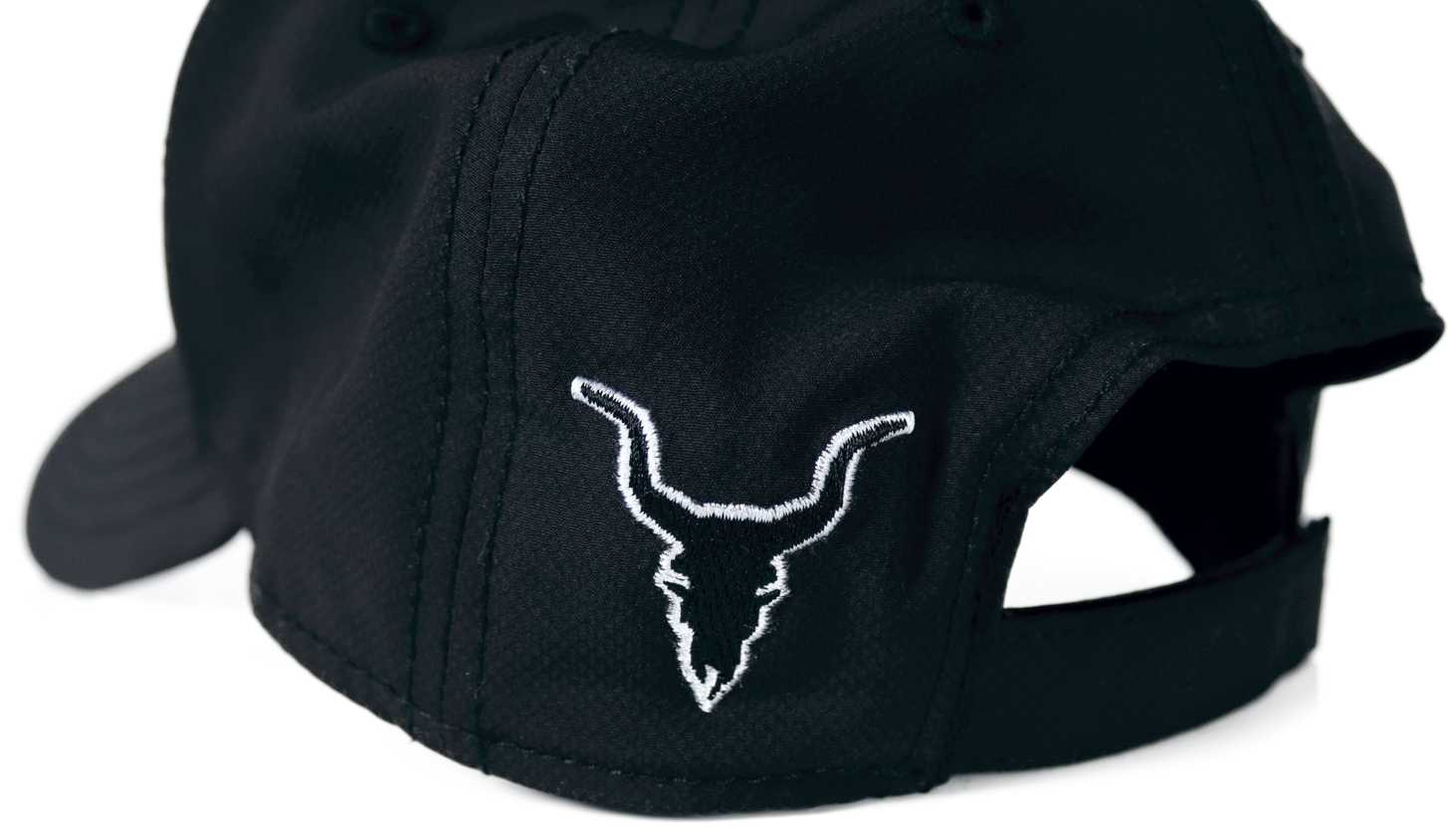
3D embroidery
We insert a special foam under the stitches, which creates a distinctive raised effect. This gives the logo or lettering a three-dimensional look and catches the eye at first glance.
It looks best with larger letters and simple designs featuring larger areas. Not every graphic is suitable for 3D embroidery.
Recommended uses:
caps · bold lettering · simple logos

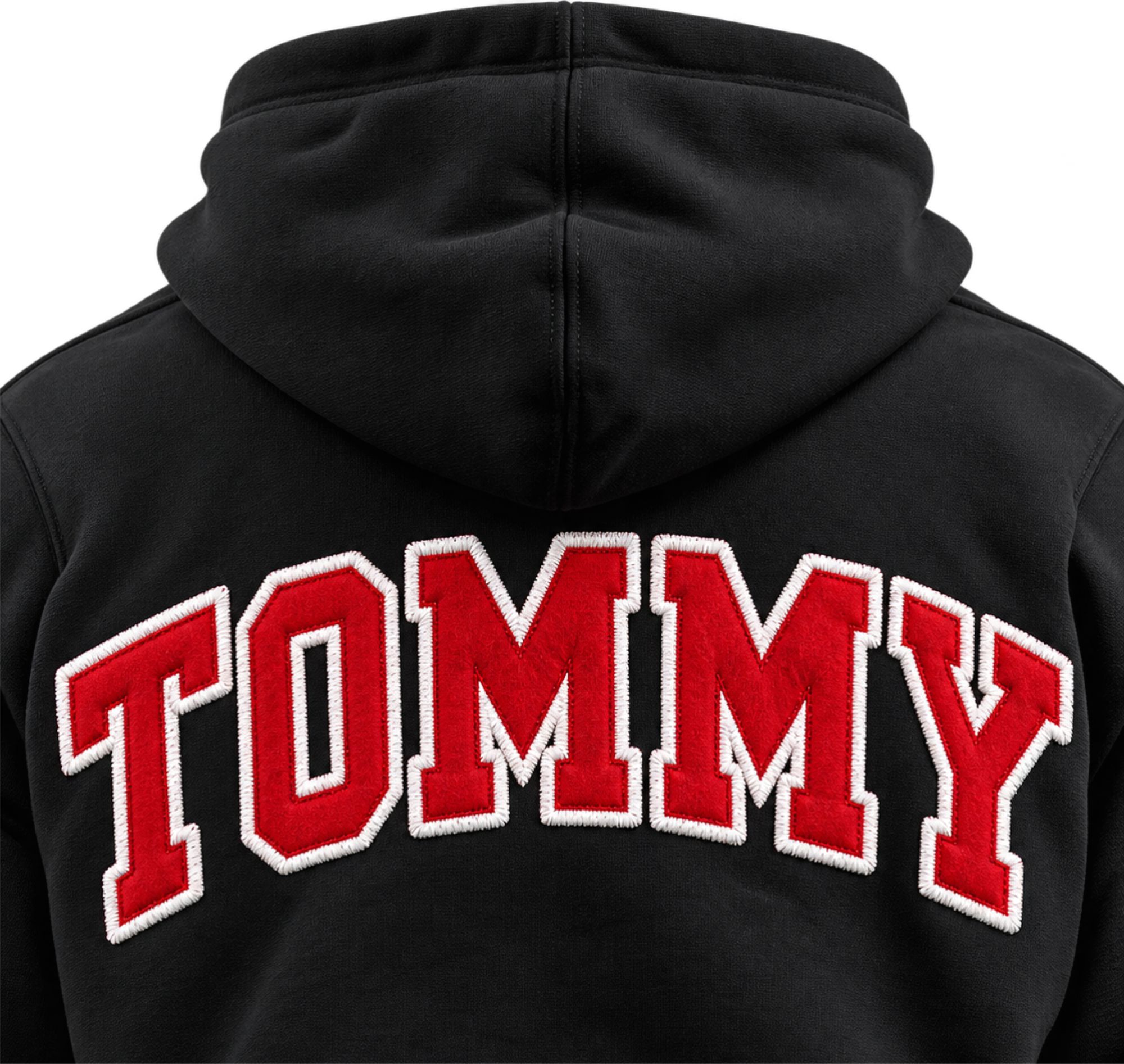
Application
This technique combines fabric with embroidery. The selected piece of fabric forms the base of the design; we attach it to the garment and stitch around its edges. The result is a striking design with a distinct texture.
It is particularly suitable for large letters, lettering, and designs covering a large area. Part of the solid embroidery is replaced by fabric, which reduces the number of stitches; the final price also depends on the shape and complexity of the design.
Recommended uses:
sweatshirts · jackets · large lettering · decorative designs
Patch
Embroider the design onto a separate piece of fabric, and then prepare the patch for attachment to clothing. You can also have them made in advance and add the fabric gradually.
- Classic – for sewing on. Securely attached by sewing it onto clothing. The patch can later be carefully unsewn and used on another item.
- Iron-on – with an adhesive layer. It is applied to the fabric using heat and pressure. It cannot be removed from clothing like a traditional patch.
- Velcro fastener – removable. A practical solution for name tags and labels that you need to change.
Recommended uses:
workwear · uniforms · club apparel · name tags
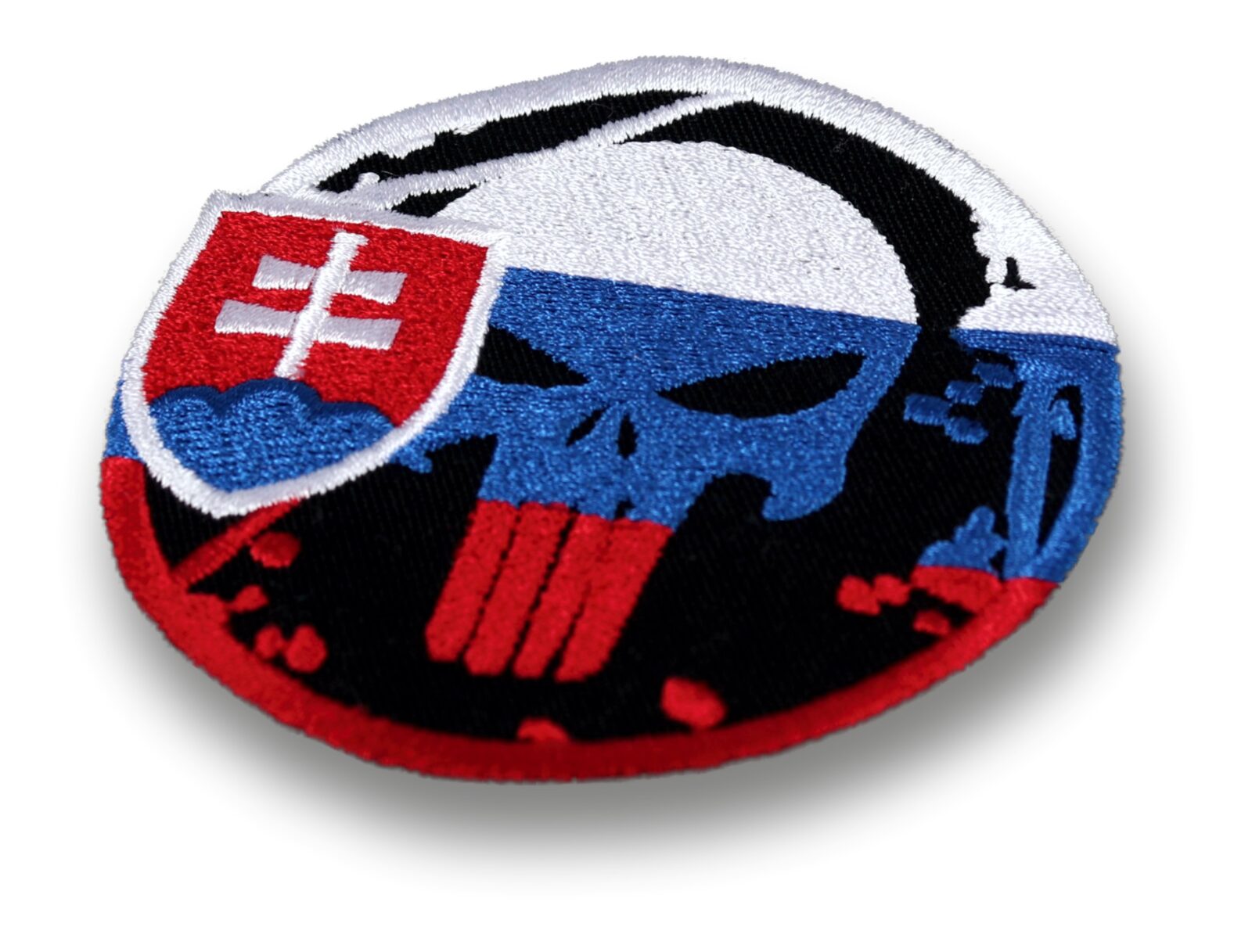
Examples of machine embroidery
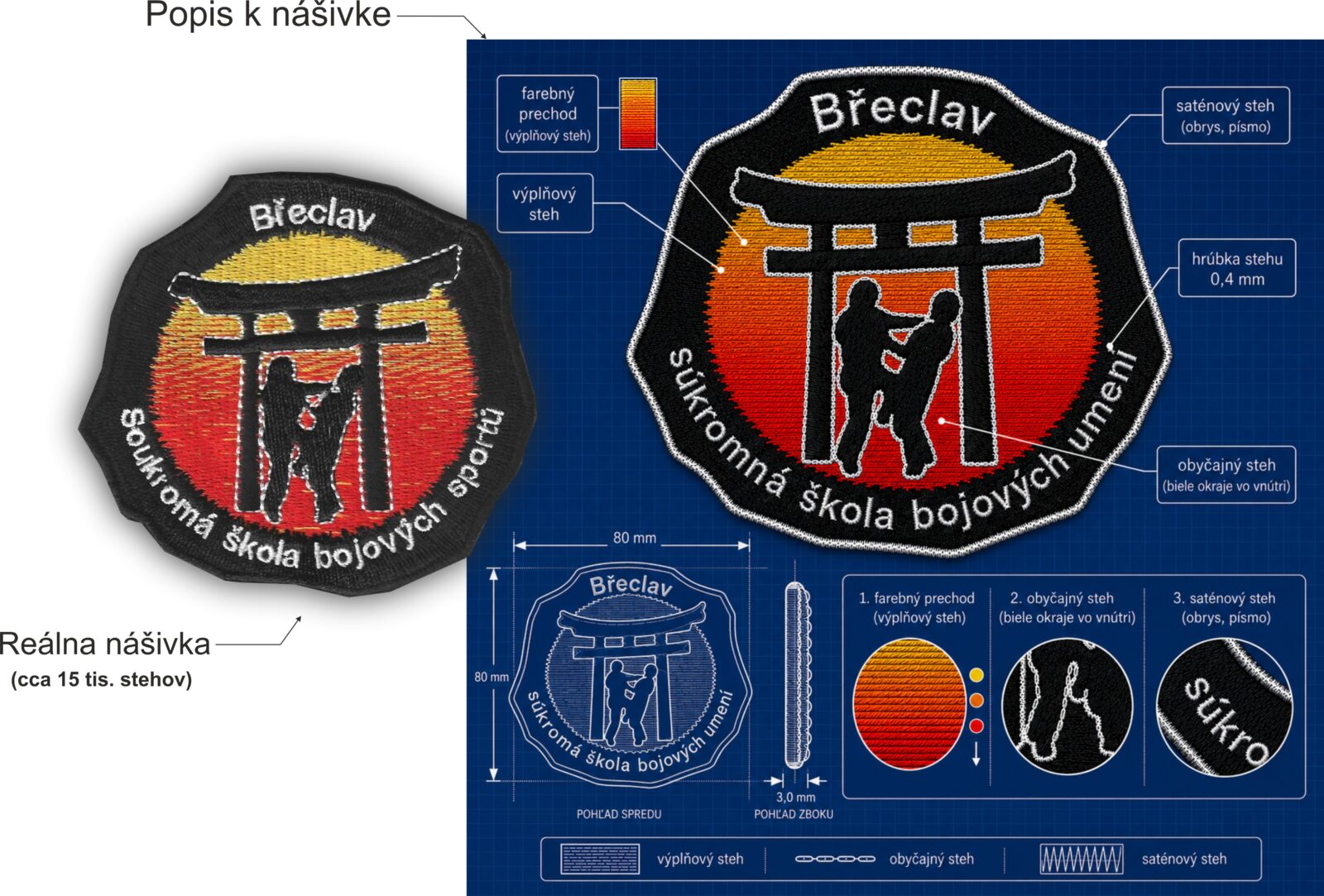
Patch with a color gradient 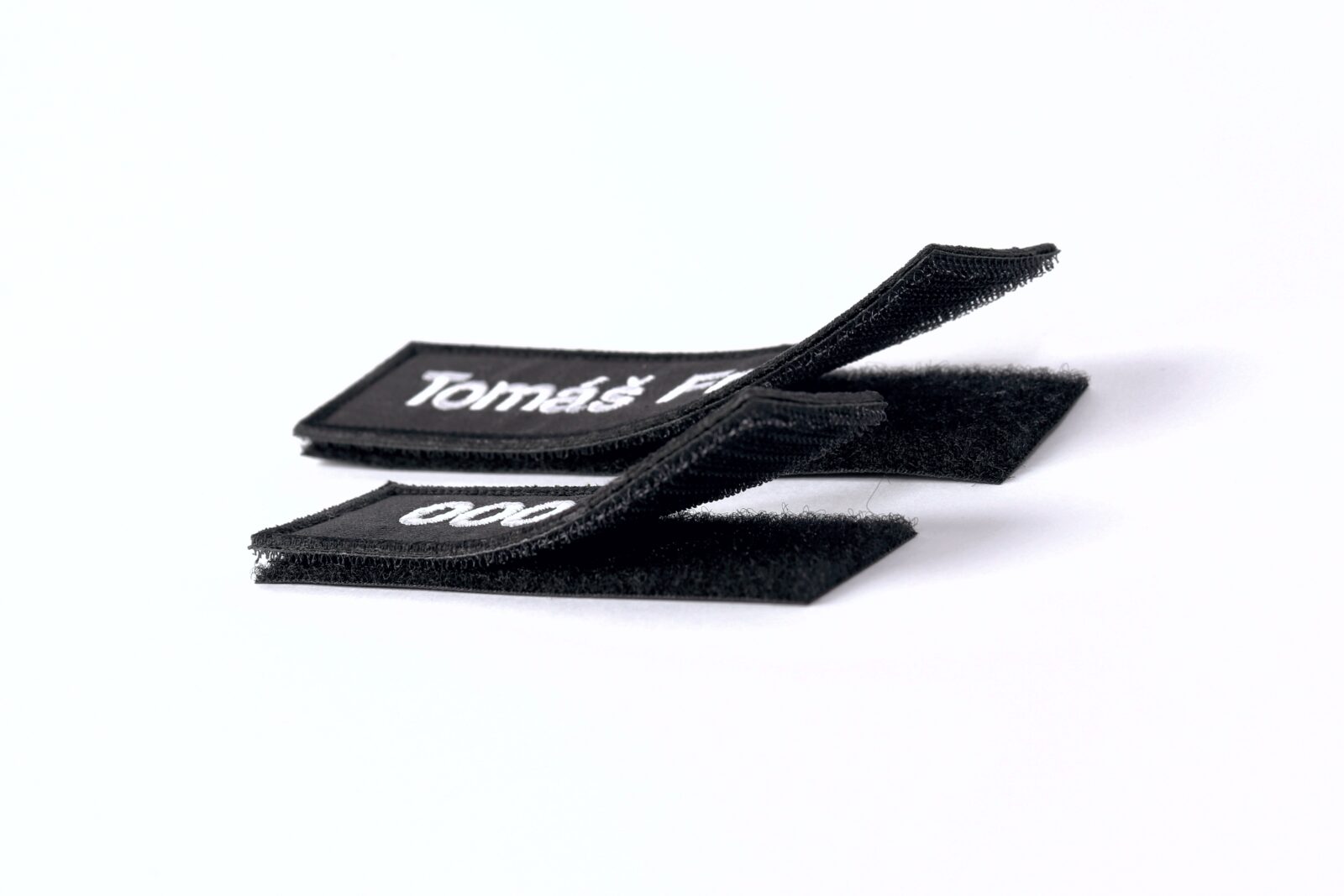
Velcro patch 
3D embroidery on a baseball cap 
Jacket Patch 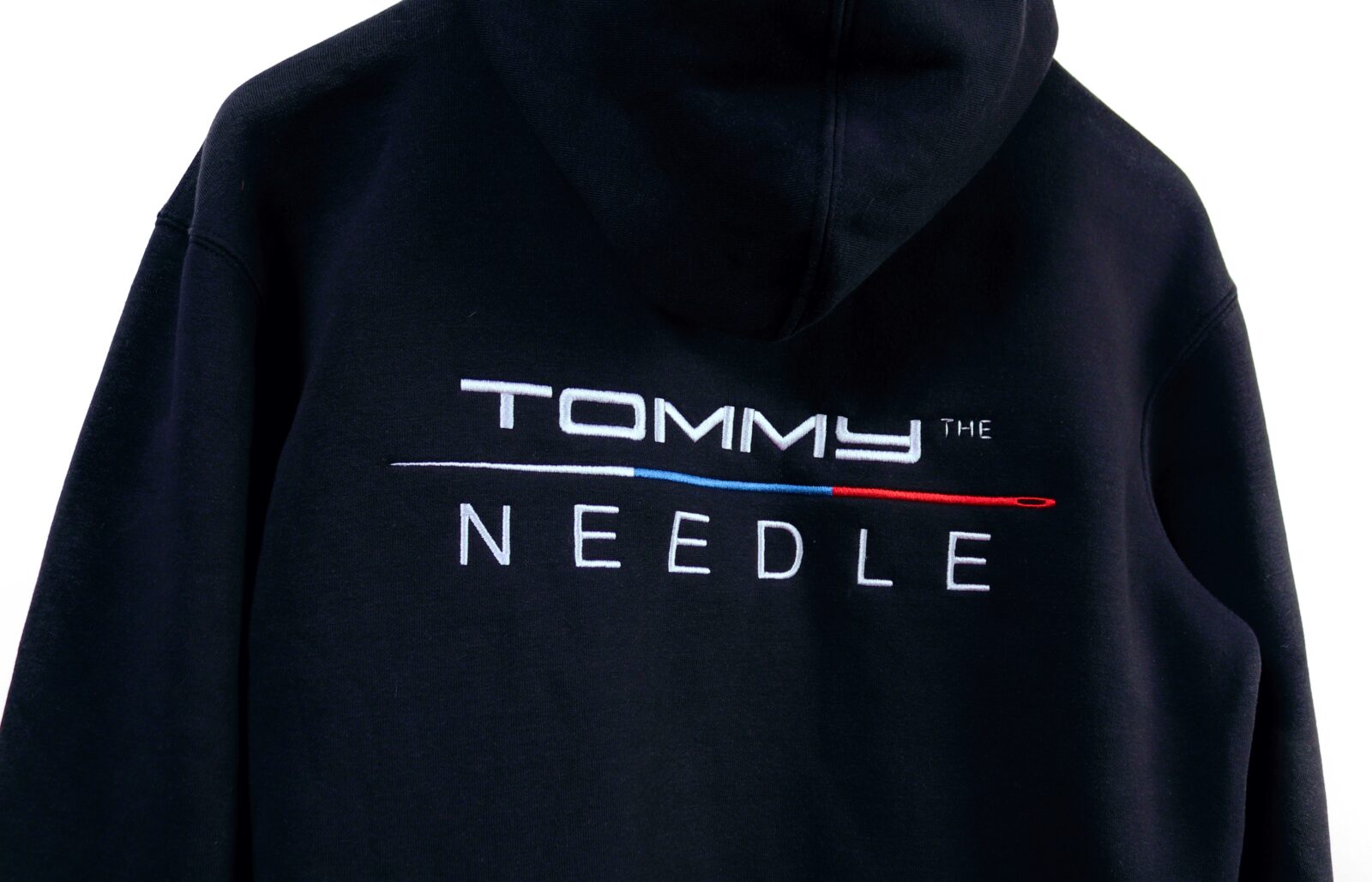
Classic embroidery on a sweatshirt
When Should You Choose Printing?
Printing is the ideal choice for color graphics, photographs, fine details, and larger designs. Unlike embroidery, it does not create a raised effect, but it allows for the precise reproduction of even complex designs, including color gradients and shading. Thanks to a wide range of technologies, it is suitable for both small and large runs of textiles.
You can choose from the following options:
- Screen printing – ink is applied to fabric through screen printing stencils. It is ideal for larger runs, offers high durability, and provides excellent value for money at higher print volumes.
- Transfer screen printing – the design is first screen-printed onto special transfer paper and then transferred to the fabric using heat and pressure. The print is durable, features vibrant colors, and is suitable even for more detailed designs. It is used for both small and large production runs and on various types of textiles.
- DTF printing – the design is printed onto a special film and then heat-transferred onto the fabric. It allows for the printing of full-color designs, photographs, gradients, and very fine details. It is suitable for both small and large production runs and for most types of fabric.
- Flex and flock films – the design is cut out of colored film and then heat-pressed onto fabric. Flex film has a smooth surface, while flock film has a velvety appearance. Particularly suitable for numbers, names, lettering, and simple graphics.
- Sublimation – a technology designed for white or light-colored polyester fabrics. The dye is absorbed directly into the fabric fibers, making the print imperceptible to the touch and exceptionally durable.
Benefits of printing:
✅ Ideal for photos, color gradients, and shading
✅ Can reproduce even very fine details
✅ Suitable for both small and large designs
✅ Lower cost for larger areas compared to embroidery
✅ Wide range of color options with no limit on the number of colors
✅ Suitable for most types of fabric
✅ Choice of multiple technologies depending on the type of order
✅ Comfortable to wear, with no thickening of the fabric for smaller designs
✅ An excellent choice for promotional apparel, events, sports teams, and merchandising
Disadvantages of printing:
❌ Shorter lifespan compared to high-quality embroidery
❌ Some technologies may crack or wear out over time
❌ Less premium look compared to embroidery
❌ Some types of printing may be less breathable on large areas
❌ Screen printing is not cost-effective for small quantities due to the cost of preparing stencils
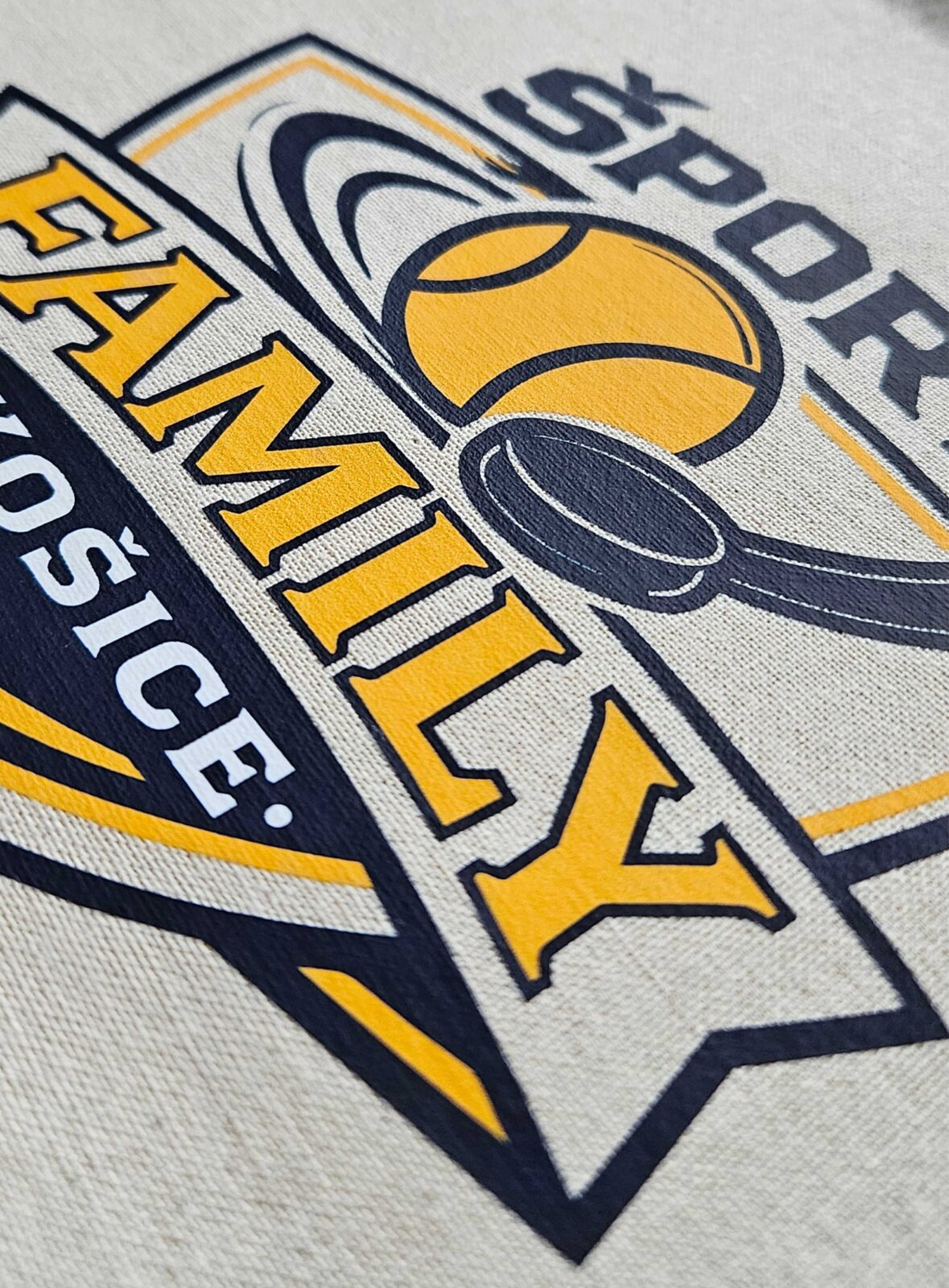
DTF printing 
Screen Printing 
Sublimation 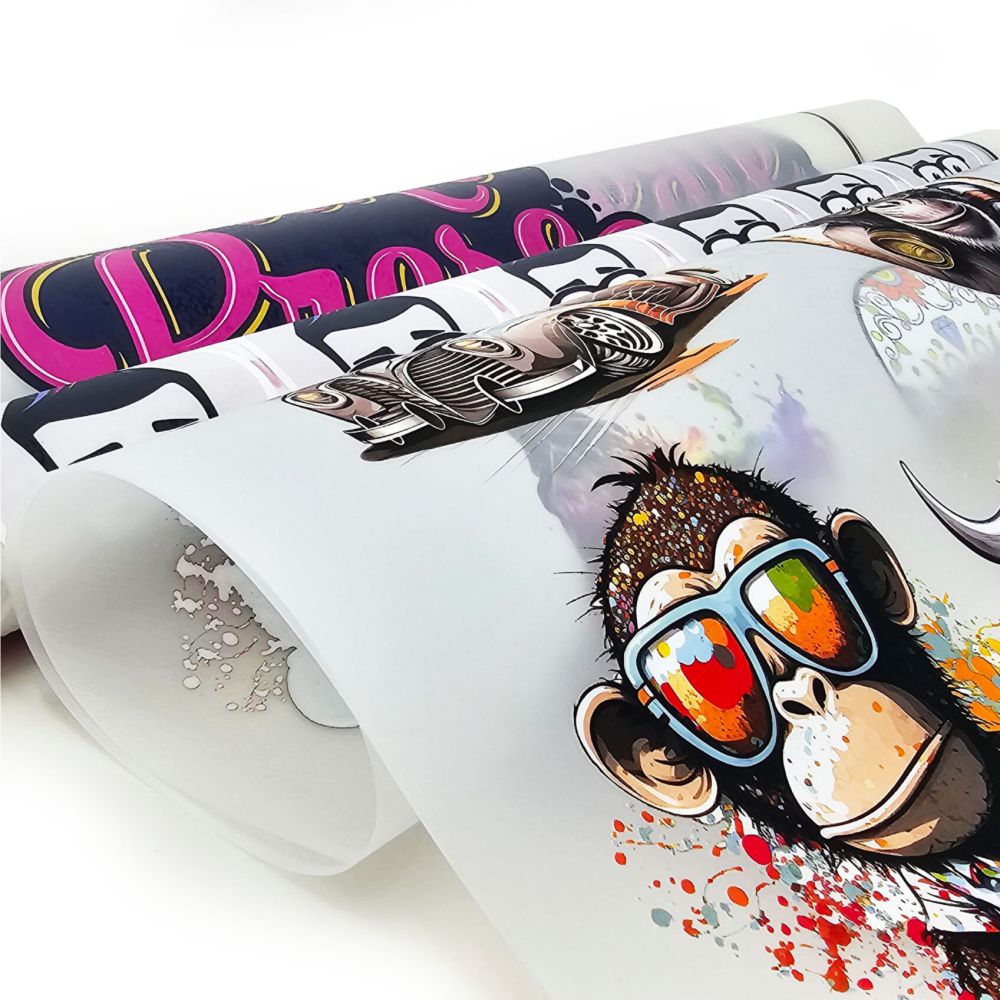
DTF Transfer 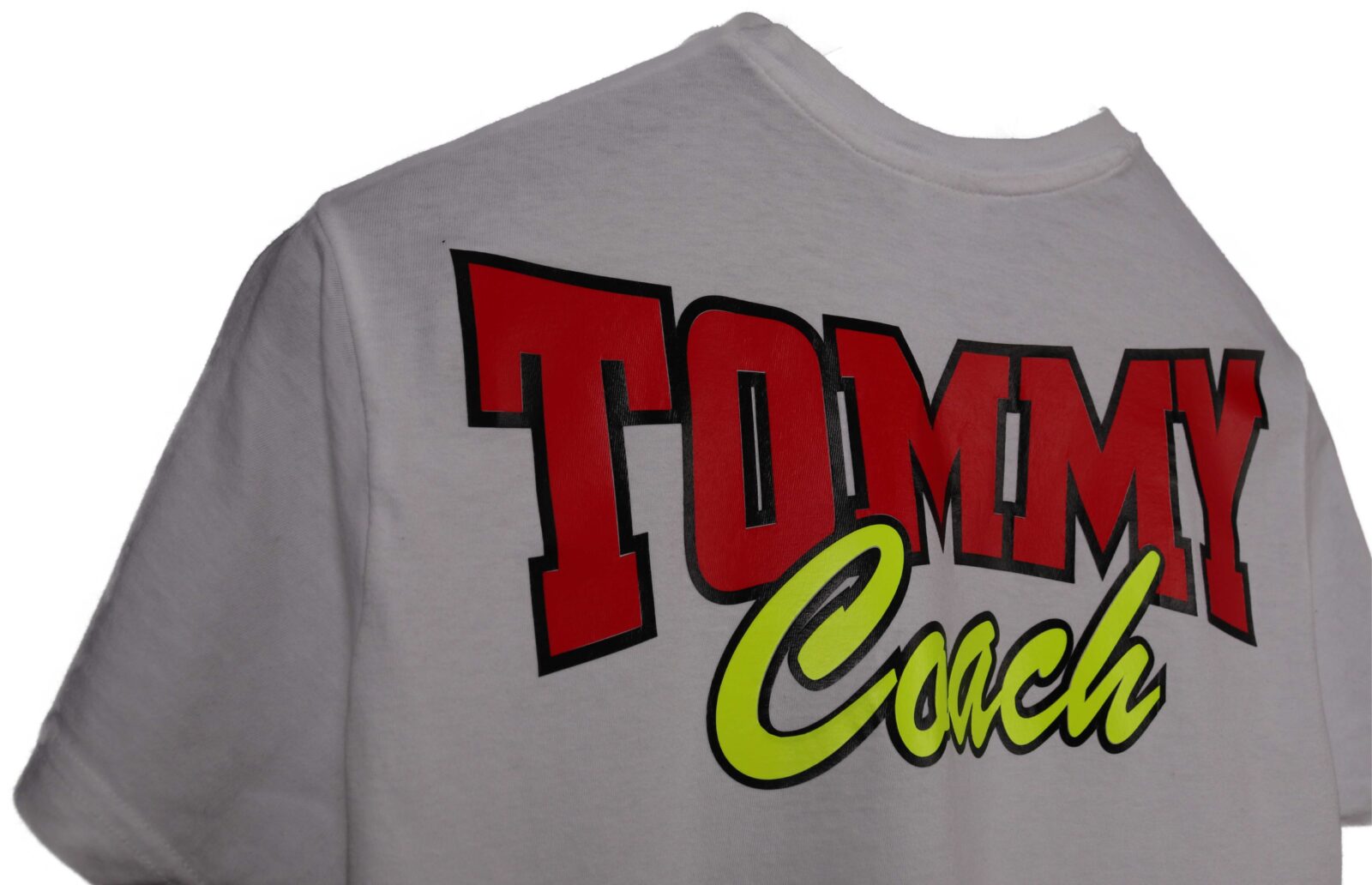
Flex Film
What do we recommend?
- Embroidery —company logos, lettering, long-lasting, highly durable, professional look.
If you want a sophisticated look, maximum durability, and a professional appearance, we recommend embroidery.
- Printing —photos, color gradients, large designs, merchandising, affordable.
If you need a large color design or photographic graphic at an affordable price, printing is the way to go.
Many customers even combine both technologies—for example, a logo embroidered on the chest and a large design printed on the back.
Can’t make up your mind?
Send us your artwork, and we’ll be happy to recommend the best solution in terms of quality, appearance, and price. Together, we’ll find a way to mark your textiles that best meets your needs.