
Services
We are a family-owned business with more than 25 years of experience in the field of machine embroidery. Thanks to our quality, reliability, and personalized approach, we have earned the trust of customers throughout Slovakia and abroad.
Our Services:
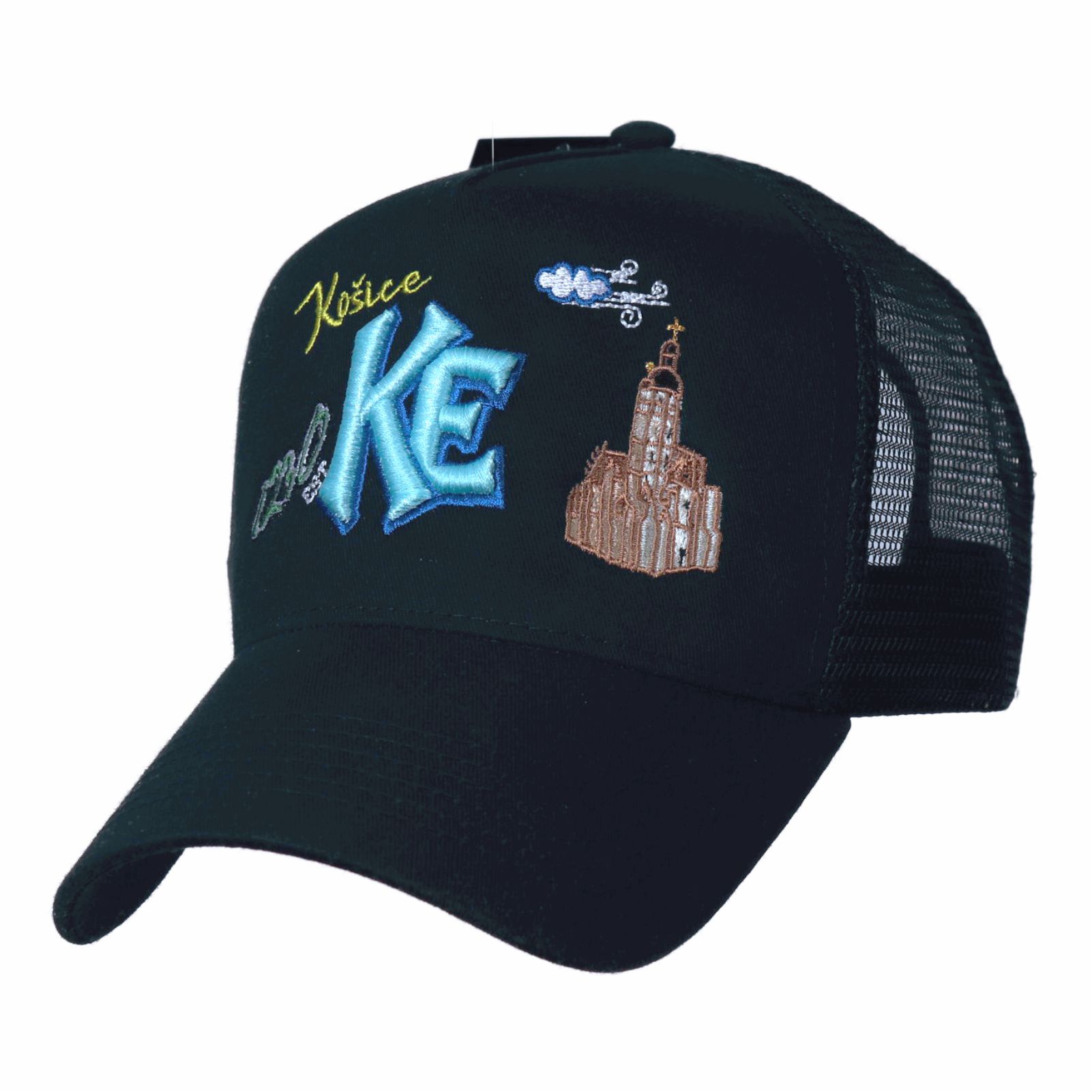
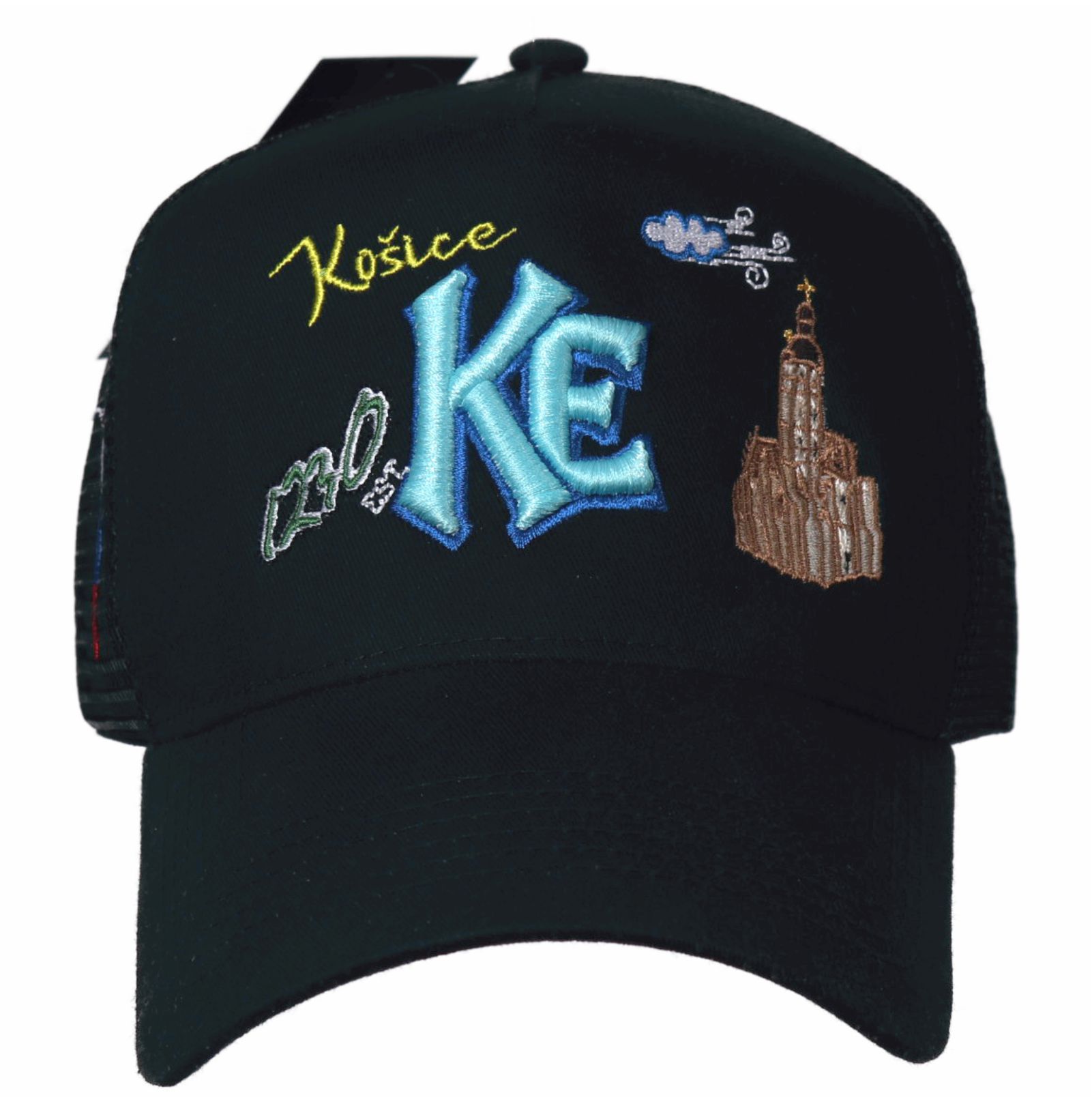
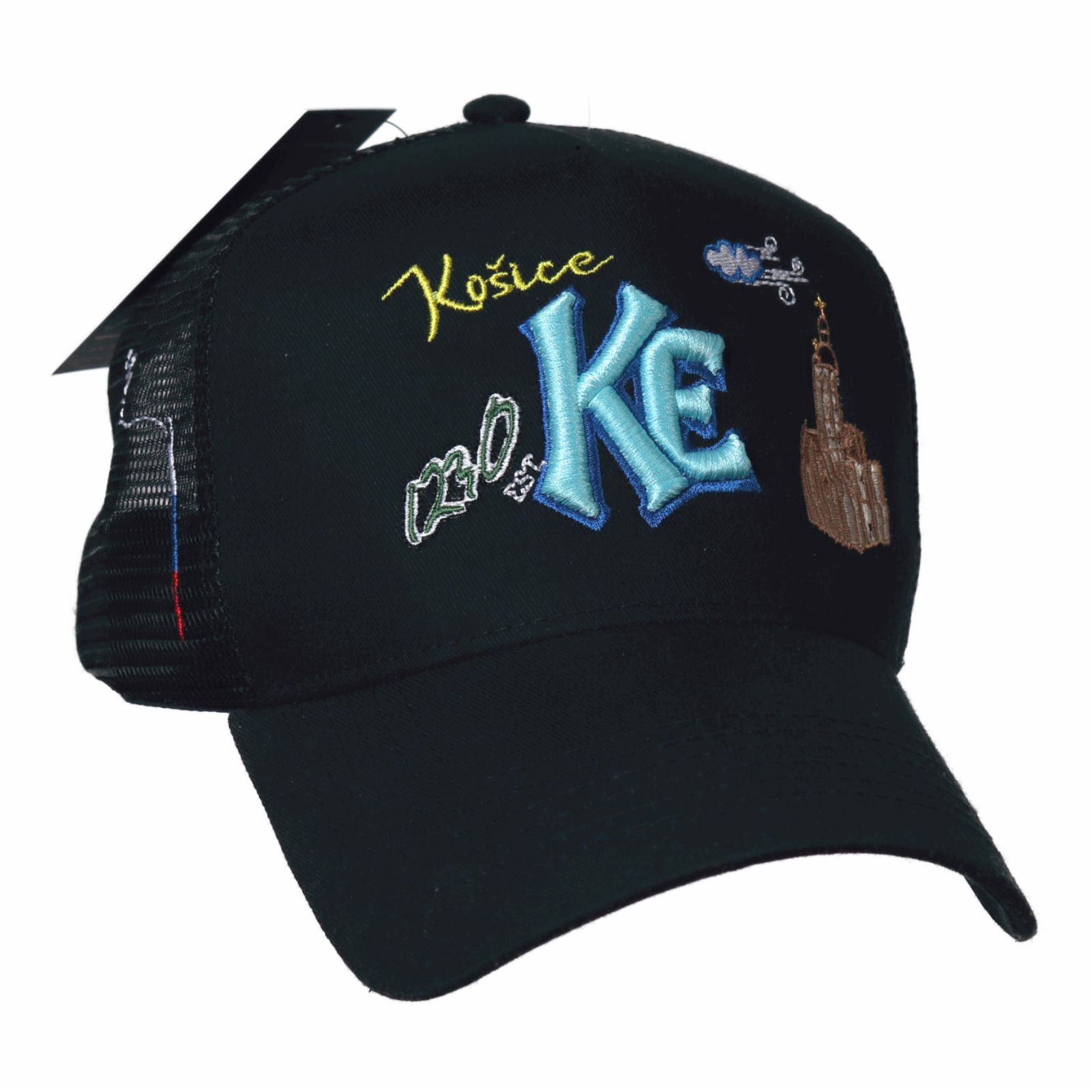
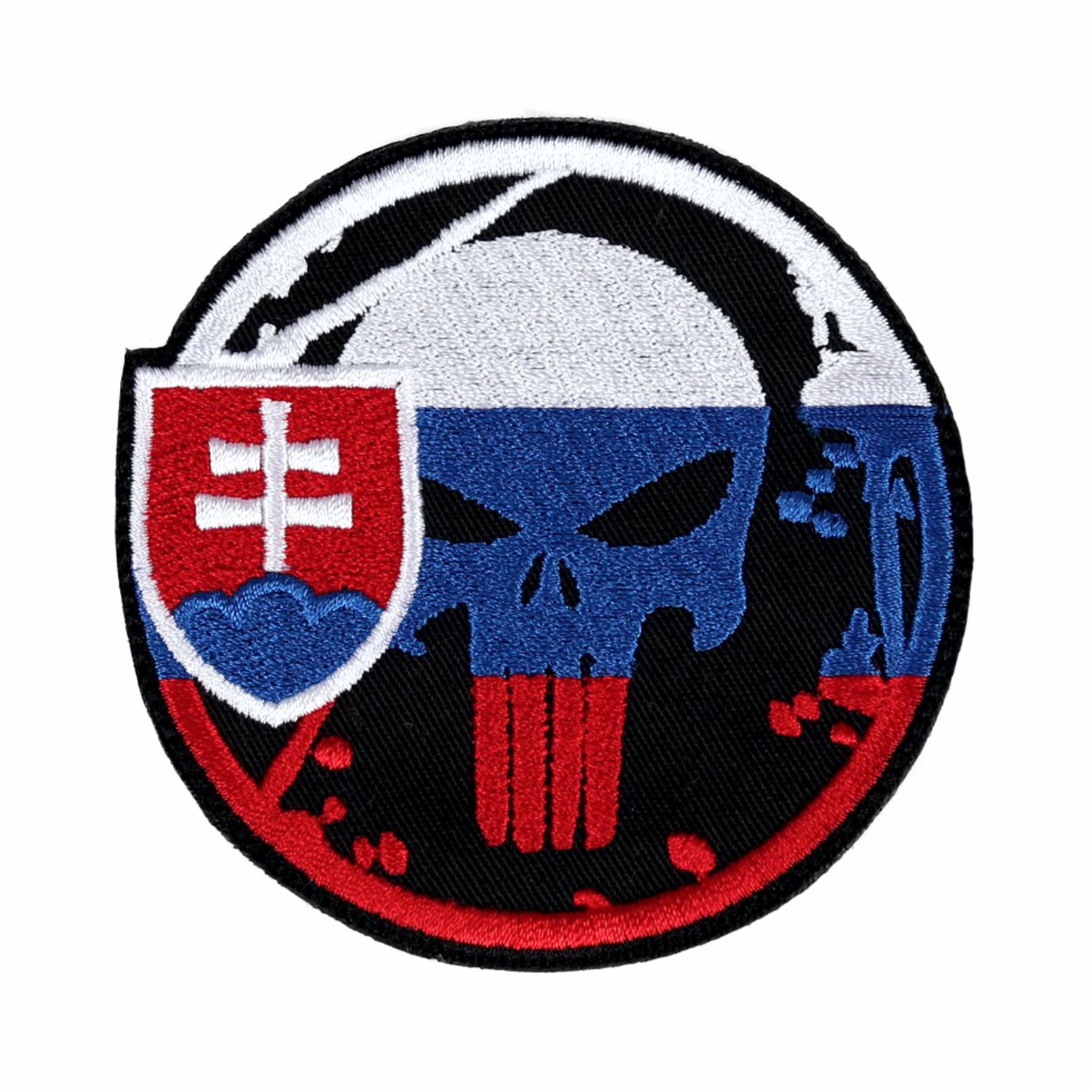
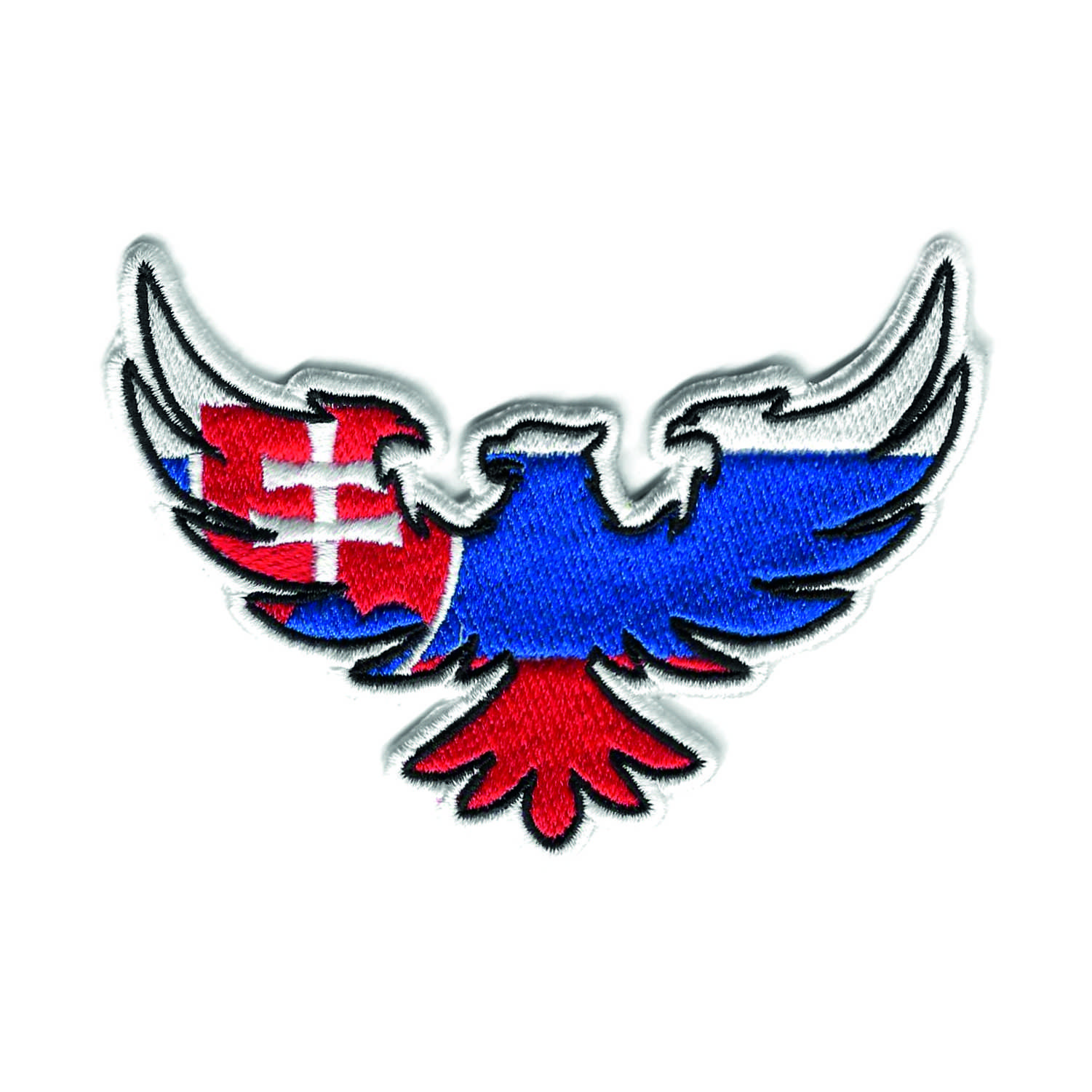
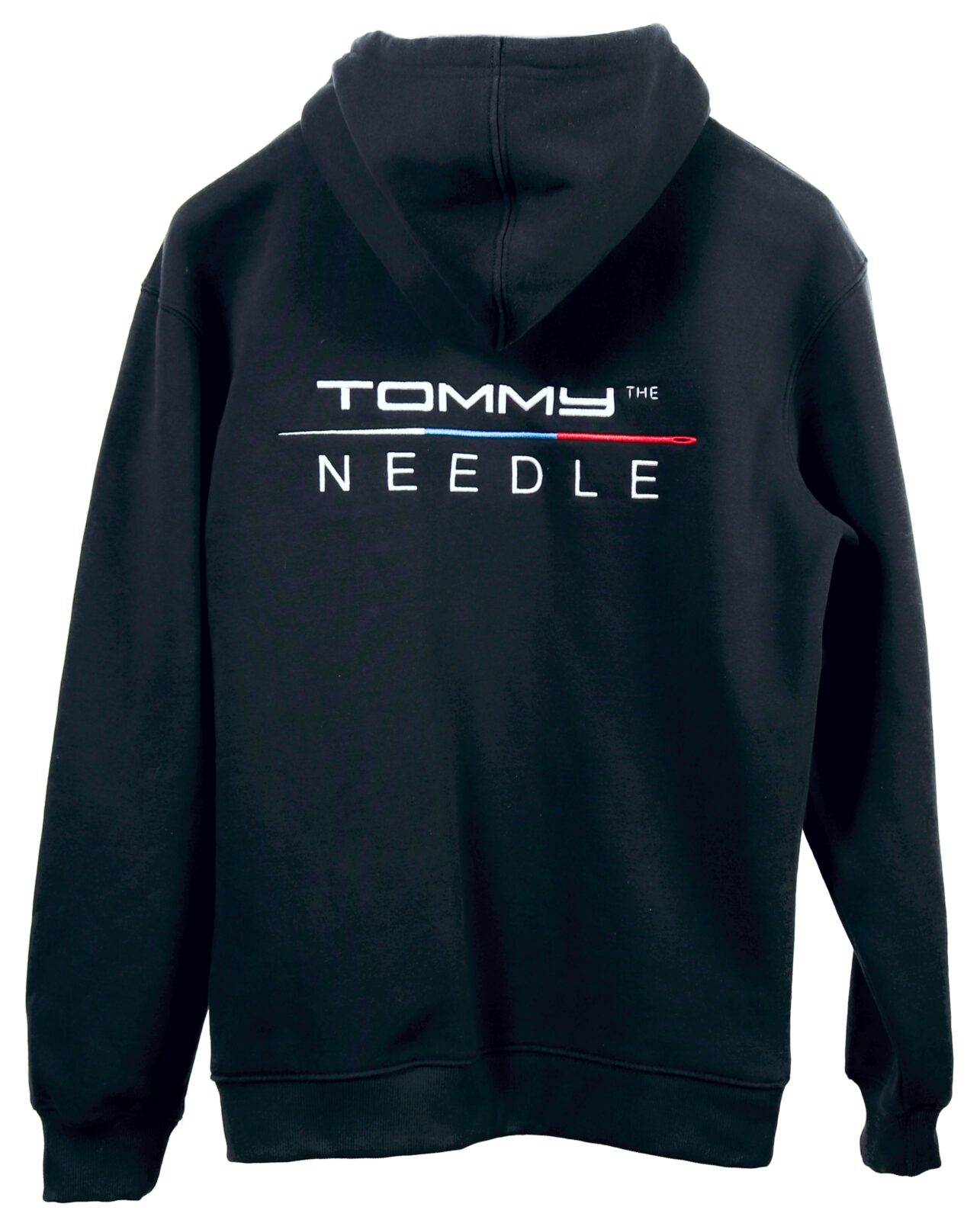
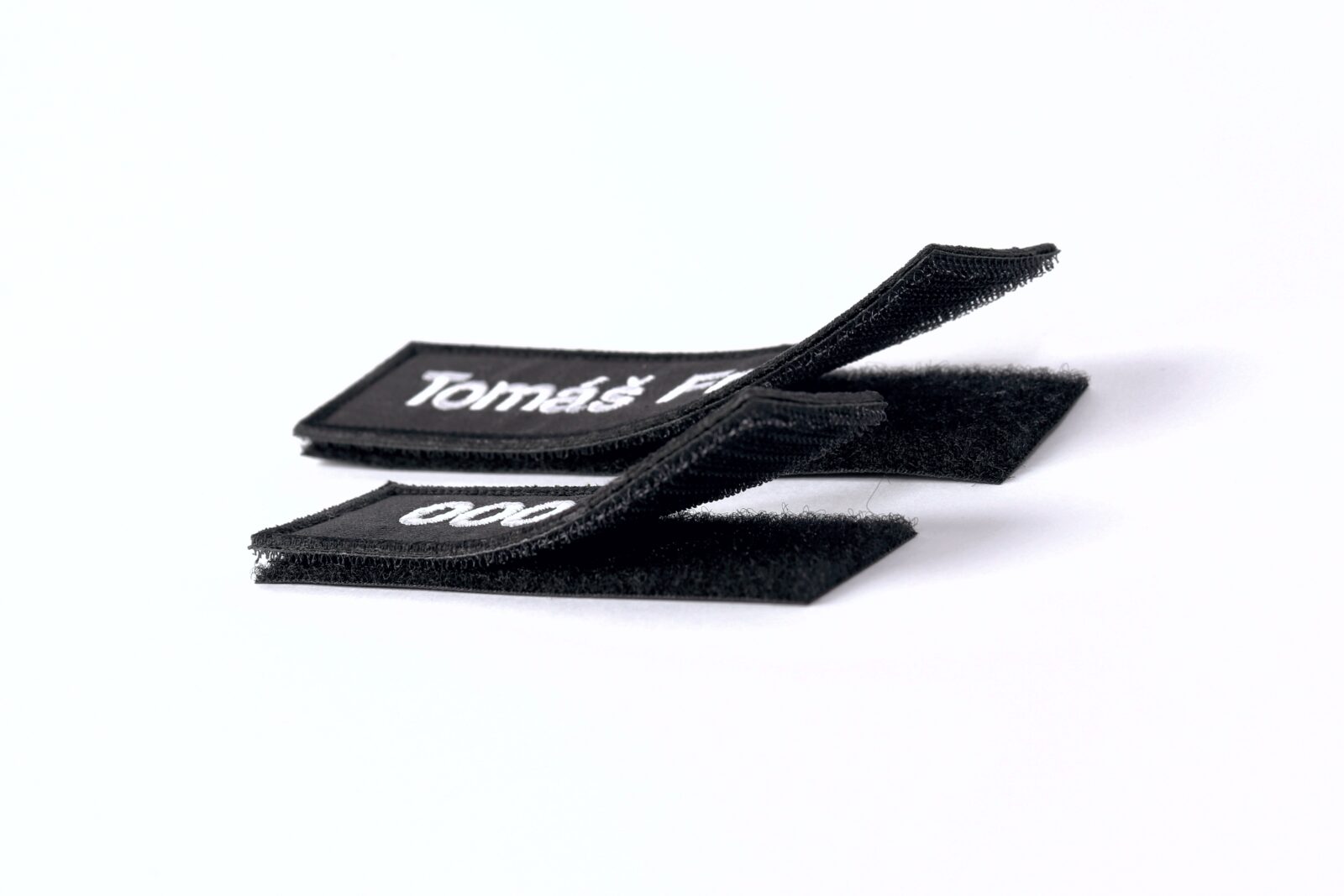
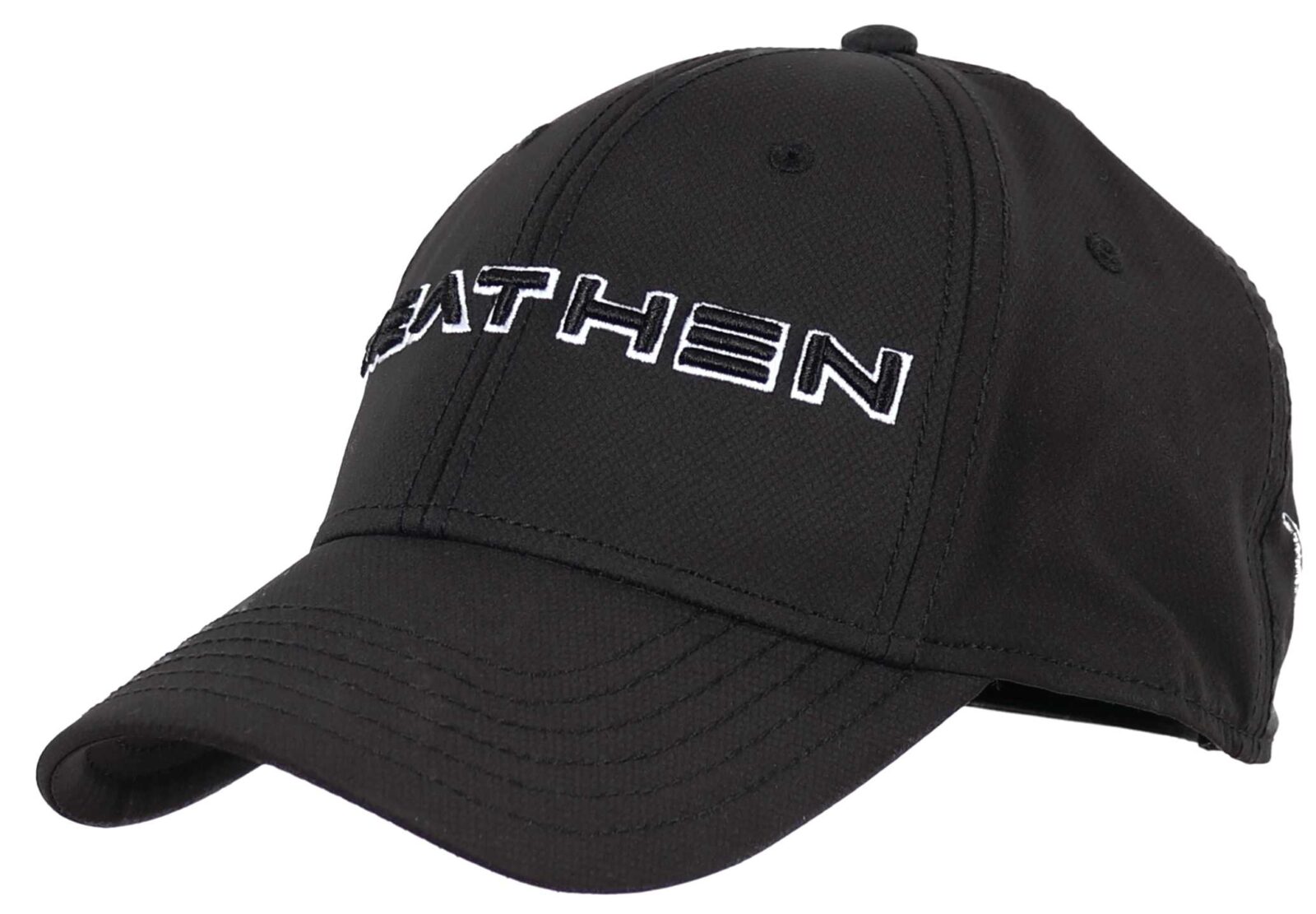
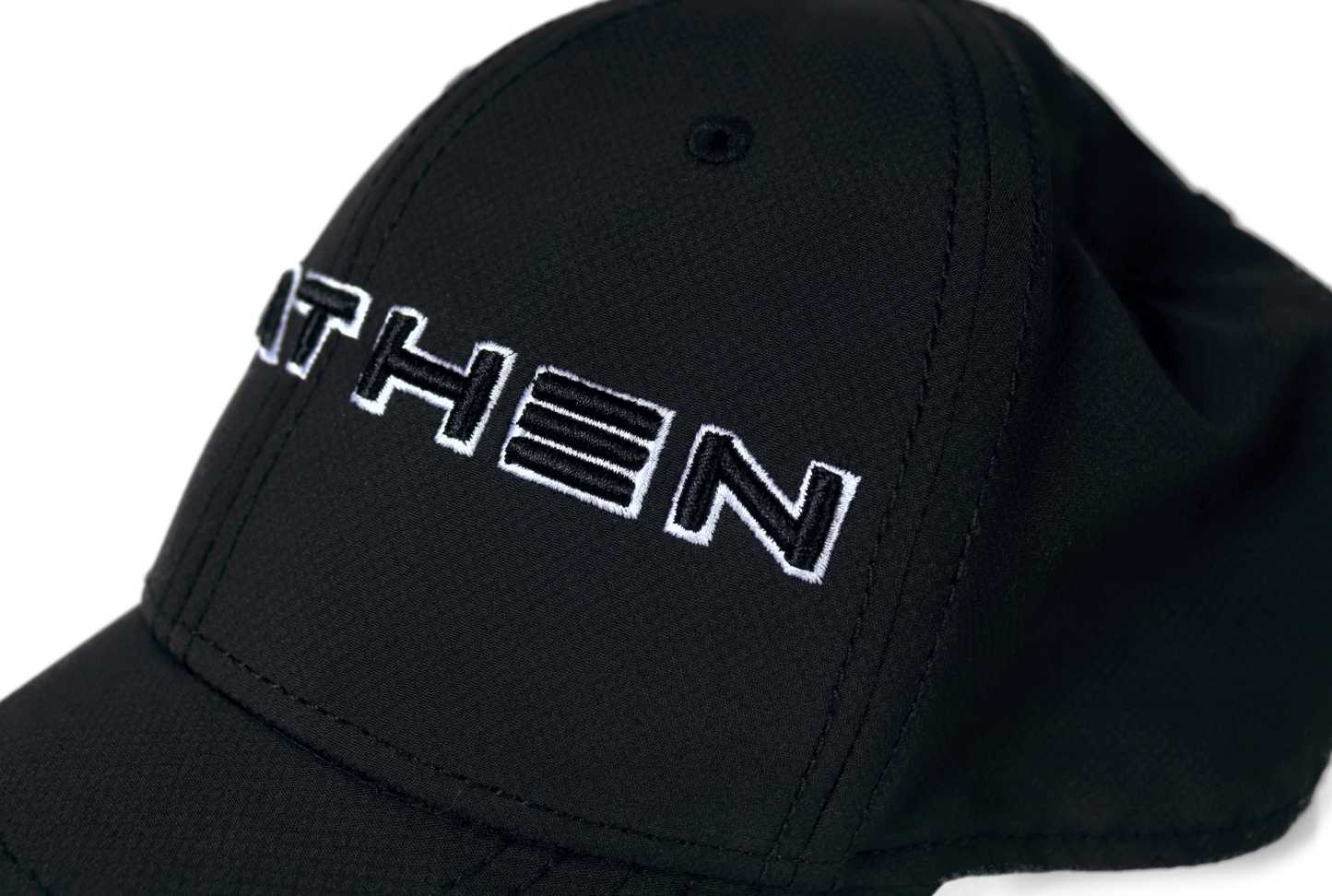
- Machine embroidery – embroidery, patches, appliqués, 3D embroidery, cross-stitch, sewing on
- Textile printing – direct screen printing, transfer screen printing, DTF transfer, sublimation, and Flex foil
- Graphic Design – vectorization of images, editing of graphic materials, and creation of visualizations
- Digitizing Embroidery Designs – Converting Graphics to an Embroidery Program
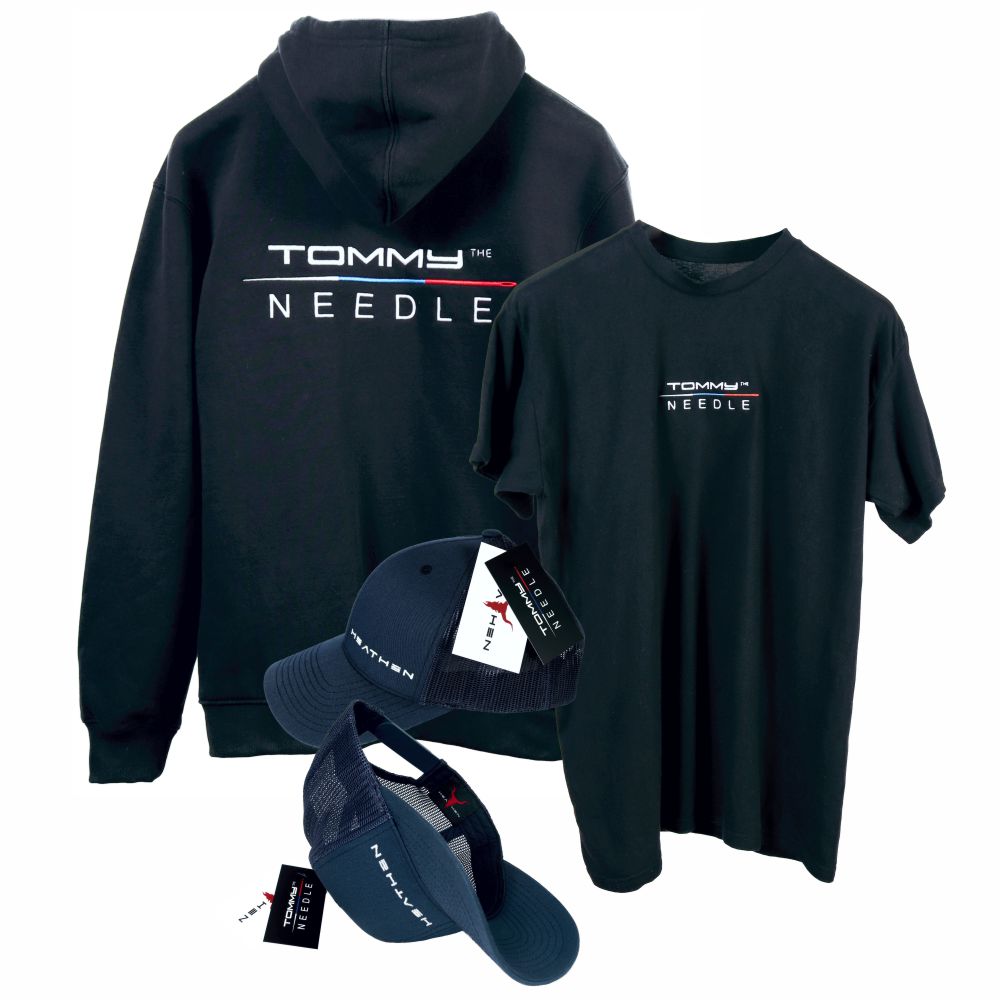
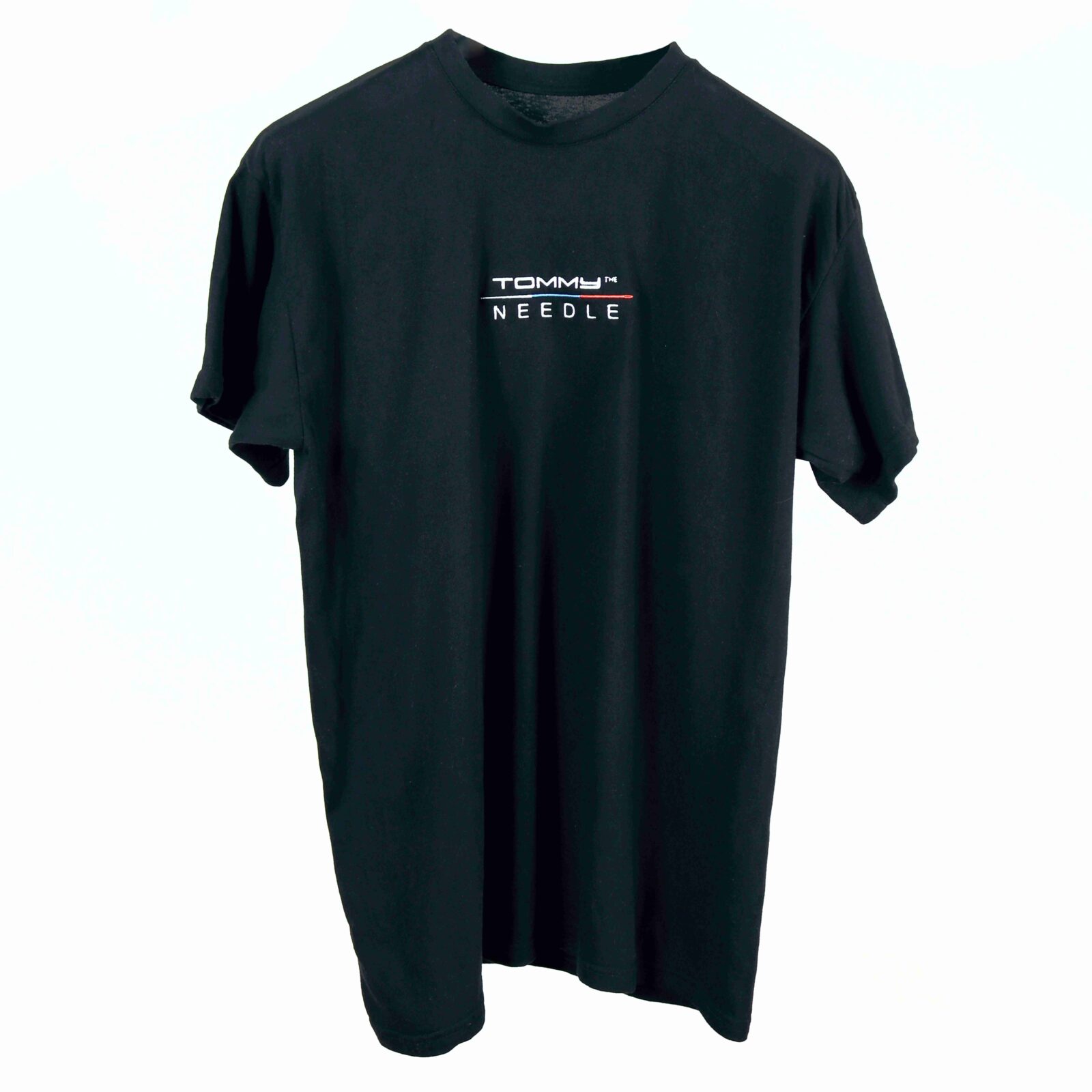
- Textile Sales – Casual, Work, Promotional, and Sports Apparel from Global Manufacturers
- Label Manufacturing – Woven, Satin, and Nylon Clothing Labels
- Label Production – Paper Labels for Textiles and Clothing
- Tailoring services – sewing on labels, unpicking, shortening, and other clothing alterations
- Shipping Services – We’ll safely deliver your orders anywhere in Slovakia and abroad
Machine Embroidery
Why Choose Us?

Speed
With us, you won’t waste any time. We work quickly and efficiently.
You will receive a reply to your email within 1 hour.
We will prepare a quote within 8 hours.
We will process your order within 5 business days.

Quality
We carefully program and produce each embroidery design with an emphasis on detail. The combination of professional technology, high-quality materials, and more than 25 years of experience allows us to create intricately detailed embroidery that retains its appearance and quality even after years of use.

Price
We prepare individual quotes for embroidery, printing, and textiles for each order. Just contact us, and we’ll be happy to provide you with a no-obligation quote. We’ve kept our prices the same for years. If you’ve found a better price elsewhere for the same quality, let us know. We’ll do our best to ensure you get the best value for your money.

Approach
We have the capacity to handle large orders, but we’re just as happy to accommodate clients with smaller orders. Professionalism, reliability, and a personal approach to every customer are a given for us. We look forward to working with you and will be happy to welcome you with a smile. 🙂
Why embroidery?
What do we embroider?
Textiles from Us






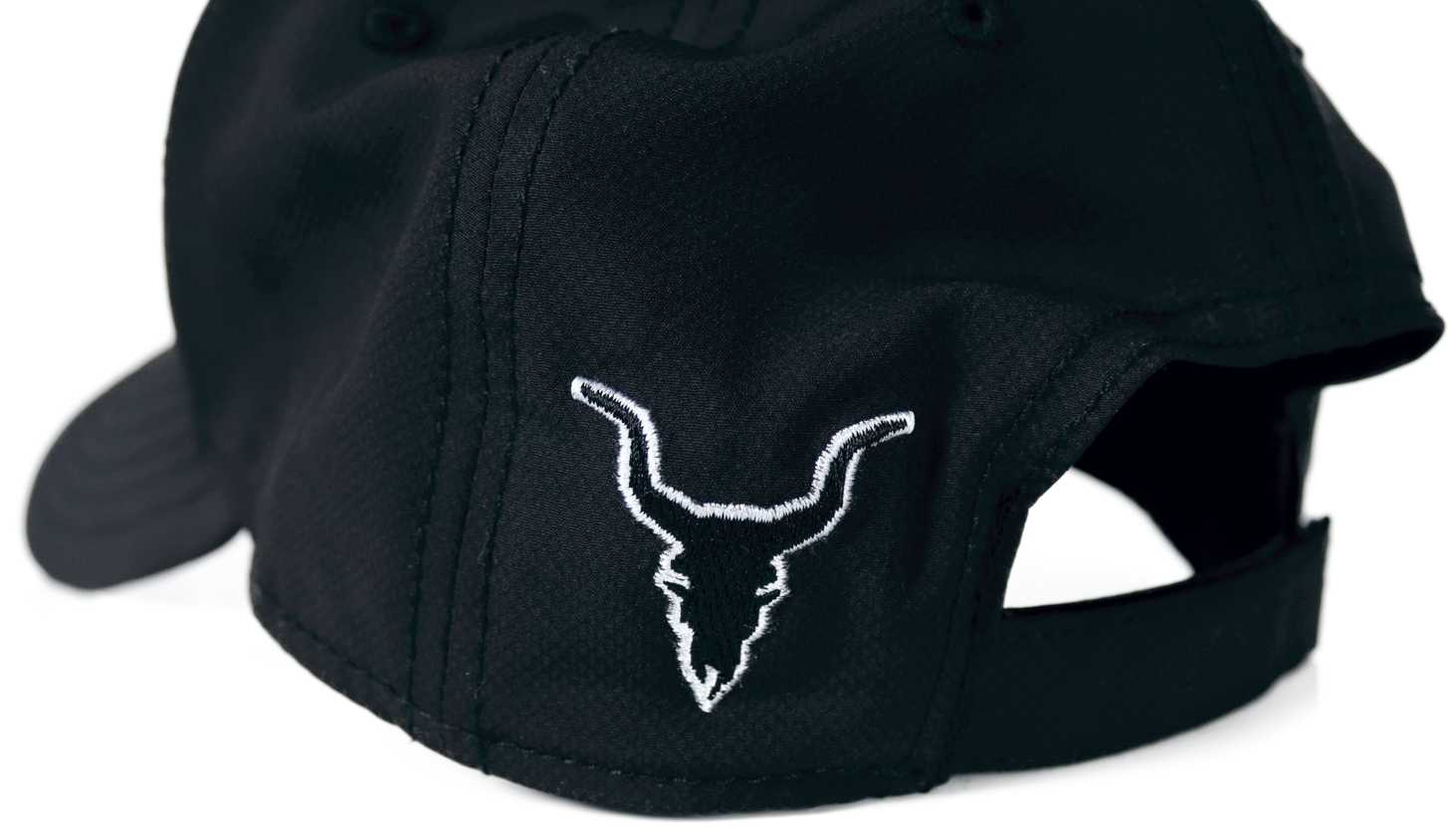


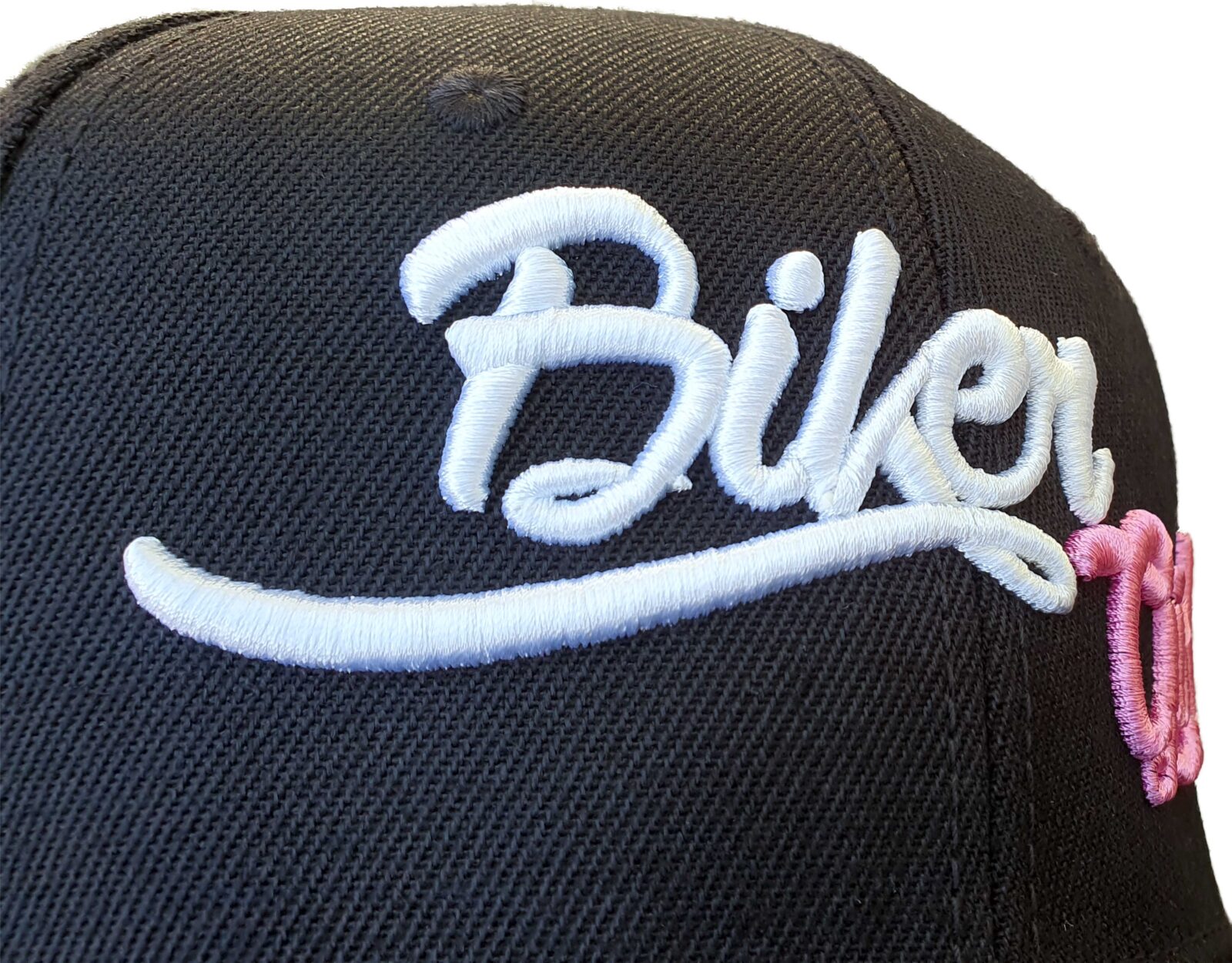


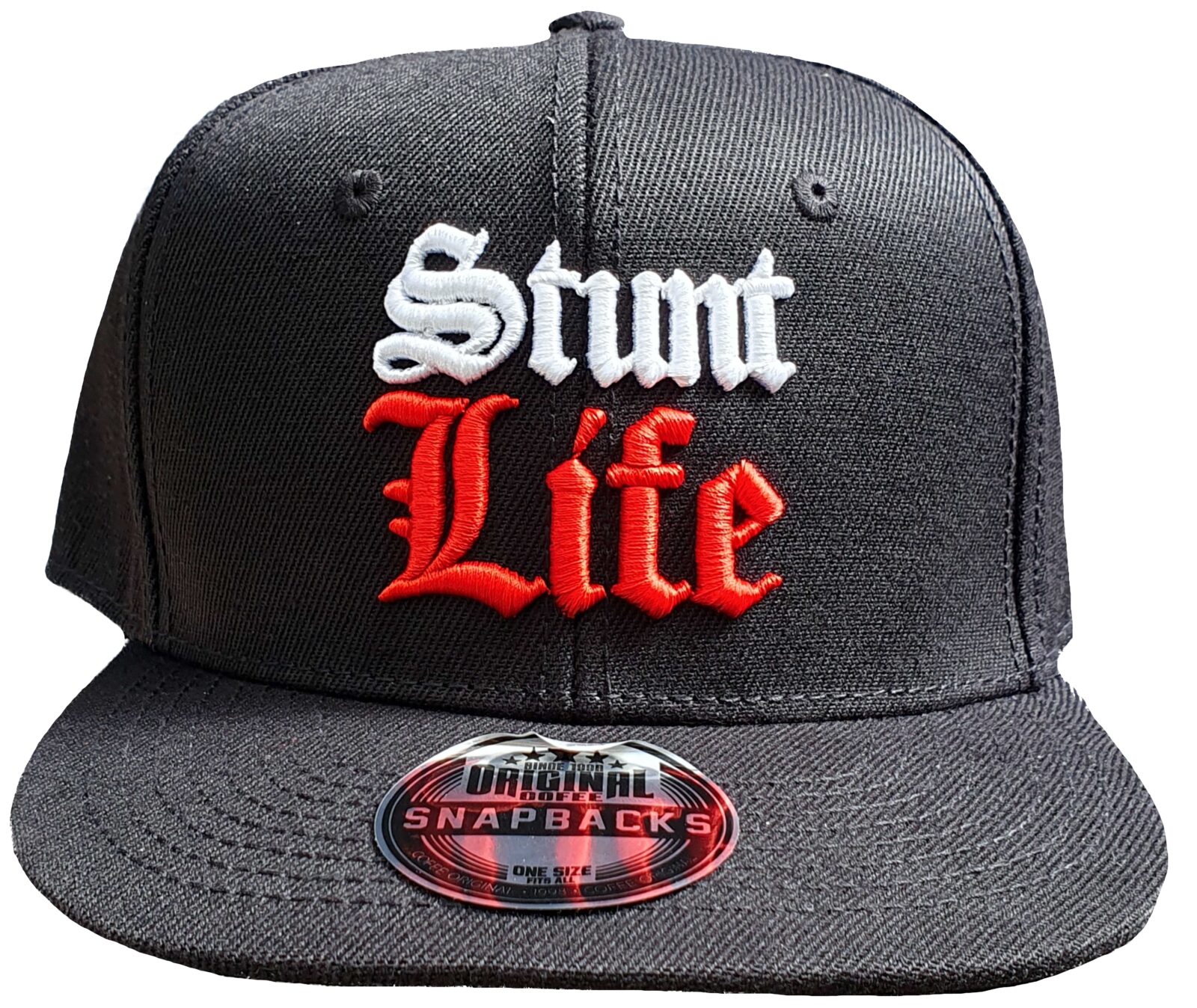

Customer Reviews
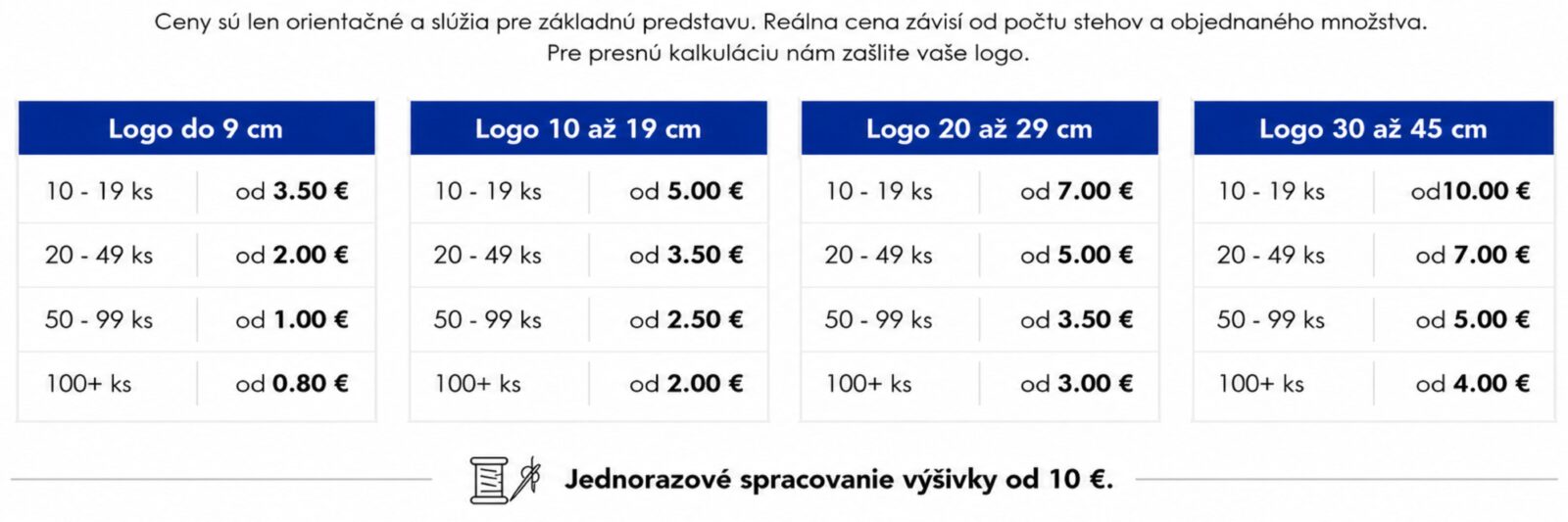
Machine Embroidery Price List
How the Order Process Works
You can use your own fabric, or choose one from us.
2. Confirmation and CP
We’ll send a confirmation email within 1 hour.
We’ll prepare a quote within 8 hours.
3. Create the order
Once the design has been approved and the proof has been reviewed, we will complete the order within 5 business days.
4. Order handover
Orders can be picked up in person or delivered by courier.

Textile Printing

Direct Screen Printing
Screen printing is the oldest and most effective form of direct textile printing. In direct screen printing, each color of the design is applied separately through a fine mesh screen directly onto the fabric. A separate stencil is prepared for each color, through which the ink is forced onto the fabric using a squeegee. After all colors have been applied, the print is heat-set in a drying machine to ensure it cures properly and achieves high resistance to washing and wear. This technology is particularly ideal for larger runs of the same design, as it offers high quality, long-lasting durability, and a cost-effective price per piece.
Advantages:
1. High print quality and speed.
2. Longest lifespan and color fastness compared to heat transfers.
3. Cost-effective for large quantities.
4. Option for special effects, such as the use of fluorescent or metallic inks and inks with a “puff” effect.
Disadvantages:
1. Minimum order of 50 pieces.
2. Maximum of 6 colors per design.
3. Printing is not possible near seams or in hard-to-reach areas, nor on complex garments such as jackets.

Transfer Screen Printing
Screen printing transfer is a printing technique in which the design is first printed onto special transfer paper using screen printing. The transfer is then applied to the fabric using a heat press.
Advantages:
1. Fast production process.
2. Option to produce transfers in advance and apply them to textiles as needed.
3. Excellent value for money.
4. Special effects such as 3D designs or special colors: fluorescent, reflective, and metallic.
Disadvantages:
1. Lower breathability and softness compared to direct screen printing.
2. Not suitable for printing on umbrellas or materials with a water-repellent finish.
3. Over time, cracks may form, which are typical for thermal transfers.
DTF Transfer
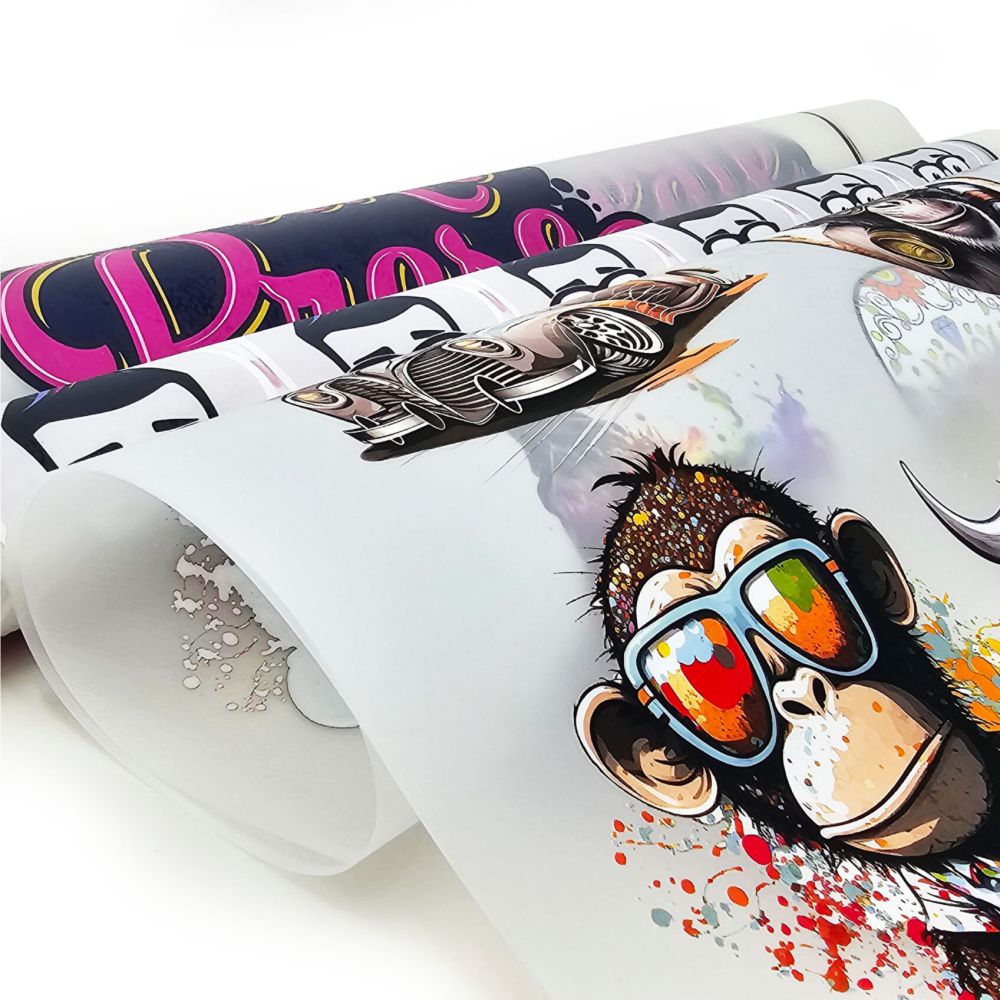
DTF (Direct to Film) transfer is a textile printing method in which the design is printed onto a special film, heat-activated powder is applied to it, and it is then transferred to the fabric using a heat press.
Advantages:
1. Long lifespan and high quality—sharp, detailed high-resolution prints.
2. Full-color printing available with no color restrictions and no additional cost.
3. Affordable pricing even for smaller quantities.
4. Ability to print on various types of fabrics (cotton, polyester, blended fabrics, etc.).
Disadvantages:
1. Lower wash resistance compared to screen printing and screen-printed transfers.
2. Not suitable for printing on umbrellas or water-repellent materials.
3. Less breathable than sublimation printing.

Sublimation
Textile sublimation is a process in which a sublimation dye, under the influence of high temperatures—approximately 200 °C—transforms directly from a solid to a gas. The gas penetrates the polyester fibers, where the dye is permanently bound, making the print exceptionally durable and imperceptible to the touch.
Advantages:
1. High durability and resistance to washing, UV radiation, and mechanical damage.
2. High print quality—vibrant colors, sharp details, and smooth color transitions.
3. The fabric’s breathability is preserved, and printing can even be applied across seams.
4. There are no color restrictions, and using multiple colors does not increase the price.
Disadvantages:
1. Can only be used on materials with a high polyester content.
2. Only white or light-colored fabrics can be printed on for the colors to stand out properly.
3. Higher price.
Flex Film
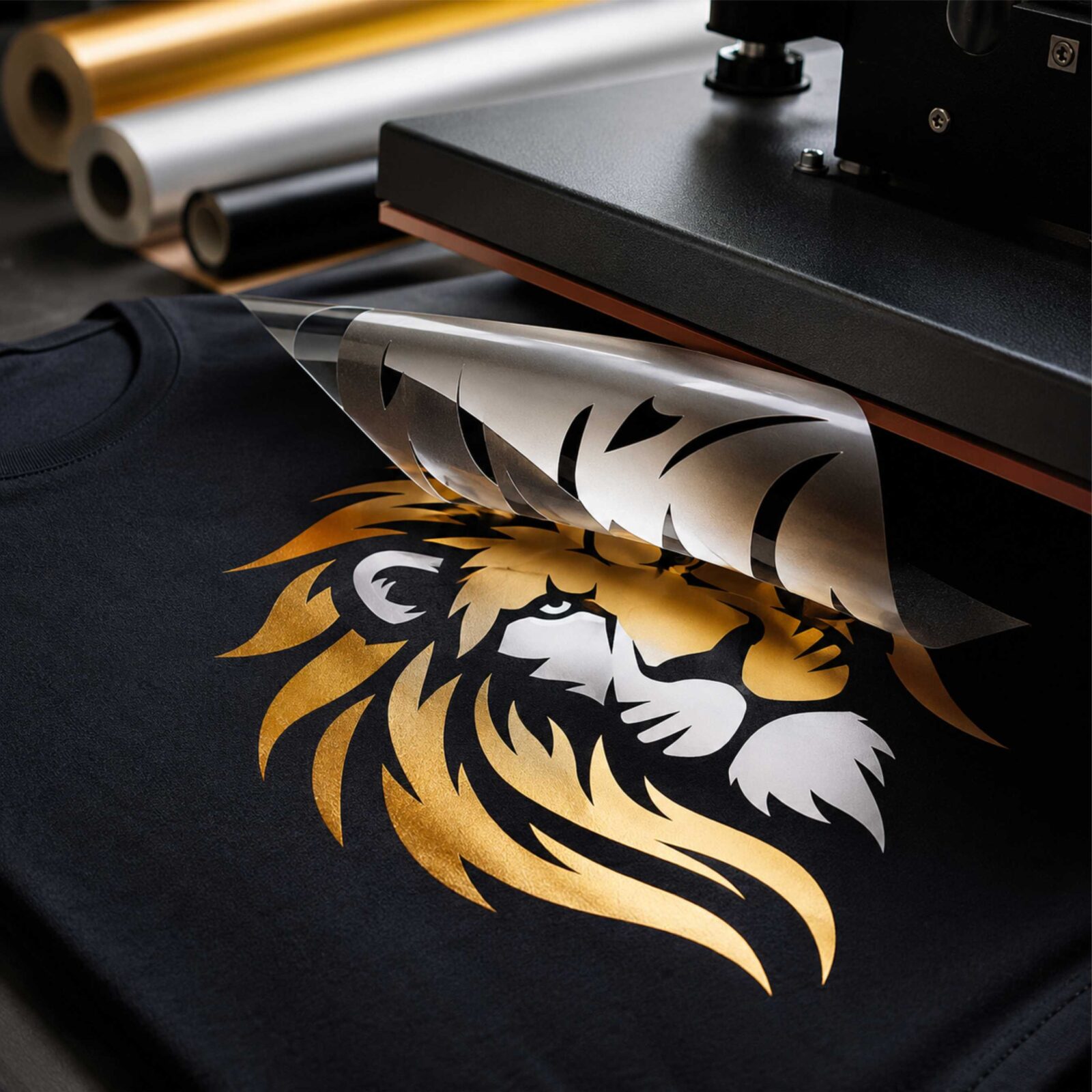
Flex foil is a textile printing method in which a design is cut out of colored iron-on foil using a plotter and then transferred to the fabric using a heat press.
Advantages:
1. High durability and long lifespan—the print is firmly bonded to the fabric and withstands washing well.
2. Vivid and rich colors with clean edges and no blurring of details.
3. Suitable for small runs and single-item orders.
4. Ideal for simple logos, numbers, text, and single-color designs.
Disadvantages:
1. Not suitable for complex or photorealistic motifs.
2. Each color must be cut separately, which limits multicolor gradients.
3. Less breathable print area for larger designs.